

 833-264-6620




 By: by Amino Science
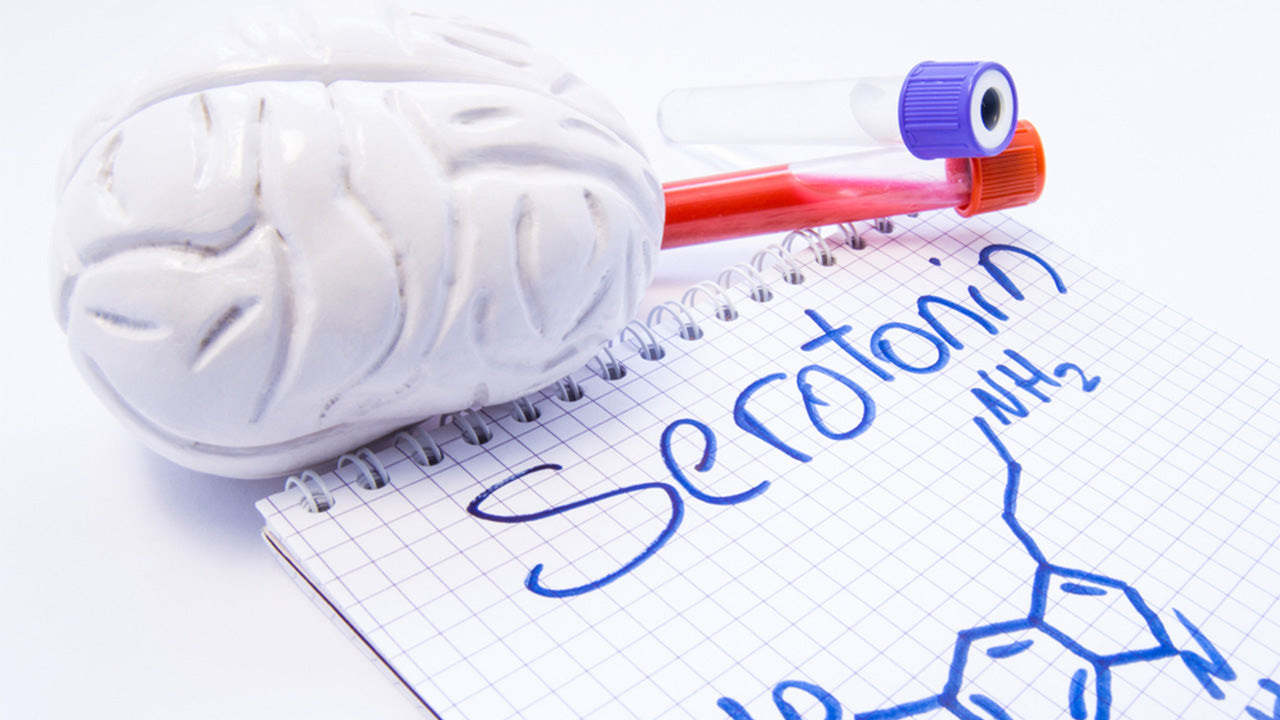
When it comes to serotonin, too much of a good thing can be quite dangerous. Serotonin is one of the most important neurotransmitters in your brain, playing crucial roles in the proper functioning of nerve and brain cells as well as influencing your mood. When too much serotonin accumulates in your system, a condition called serotonin syndrome sets in. And if you don’t receive a rapid diagnosis and treatment, serotonin syndrome can kill you.
Serotonin, a chemical produced by your nerve cells, is a key signal transmitter. It helps regulate bodily functions including:
Serotonin is created from the amino acid tryptophan. Tryptophan is an essential amino acid, meaning that your body cannot produce it on its own and you must get an adequate intake from your diet or by adding supplements. Tryptophan is found in foods like nuts, cheese, and red meat. If you develop a tryptophan deficiency, your serotonin levels drop, resulting in mood disorders like anxiety and depression.
Because it’s important not to let your serotonin levels get too low, there are a number of prescription medications designed to raise your serotonin levels. In some cases, taking a combination of prescription medications—for example, one that treats depression and one that relieves migraine headaches—can cause excessively high levels of serotonin. That condition is known as serotonin syndrome.
Serotonin syndrome typically occurs after starting a new medication that influences your serotonin levels. It can also arise if you increase the dosage of a medication. Depending on how high your serotonin levels rise, serotonin syndrome symptoms range from almost unnoticeable to quite severe. Symptoms can affect your brain, muscles, and other body parts. In the absence of prompt medical attention, serotonin syndrome can be fatal.
As we discussed, serotonin syndrome occurs when you combine two or more medications that increase your serotonin levels. Those medications may be ones prescribed to you by your doctor, or nutritional supplements, or even certain illicit drugs.
A number of antidepressants and migraine medications affect your serotonin levels. Some kinds of antibiotics, treatments for nausea and pain, and antivirals used to treat HIV and AIDS can also cause your serotonin levels to rise.
Here are five categories of drugs and supplements that have been linked to serotonin syndrome.
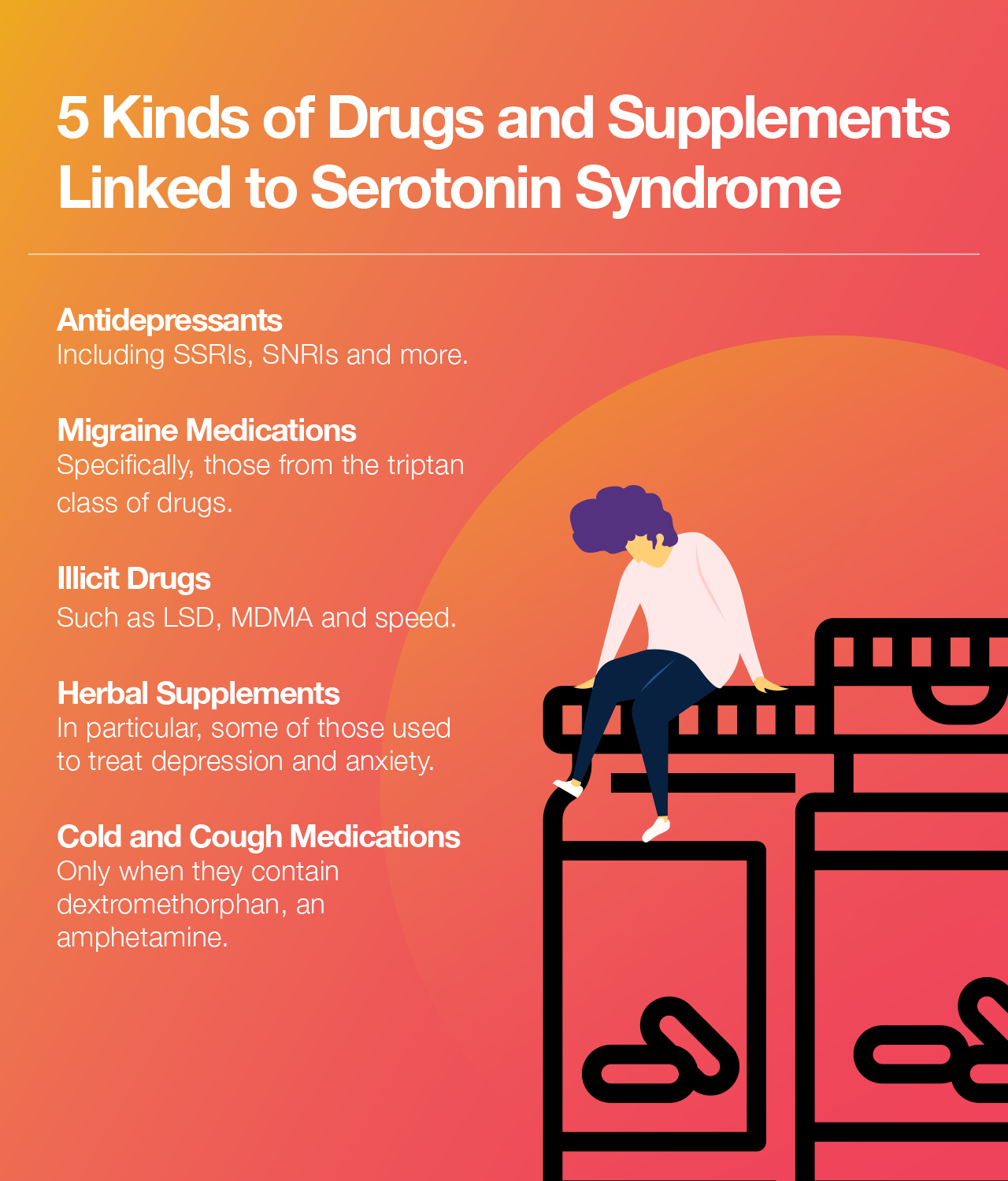
Because depression is so strongly connected to your serotonin levels, practically every antidepressant on the market has some effect on serotonin. Some antidepressants associated with serotonin syndrome include:
One specific type of migraine medication, those in the triptan drug class, can also cause serotonin syndrome. Triptan migraine medications include:
These are typically the first medications doctors will prescribe for patients with moderate to severe migraines. Although they present a risk for serotonin syndrome on their own, much more caution is required when used in combination with antidepressants or opioids.
A number of controlled substances have also been shown to lead to serotonin syndrome. Those drugs include:
Some herbal supplements used to alleviate symptoms of depression and anxiety can contribute to serotonin syndrome. Those supplements include:
While none of these have been found to produce serotonin syndrome on their own, they can when combined with other serotonin-raising substances.
A few cold and cough medications that include dextromethorphan, an amphetamine, as an ingredient, have also been associated with serotonin syndrome. Those medications include:
As with the herbal supplements listed above, it would be highly unusual for anyone to take a high enough dose of these cough and cold medications to result in serotonin syndrome. When combined with an antidepressant, however, it’s quite possible.
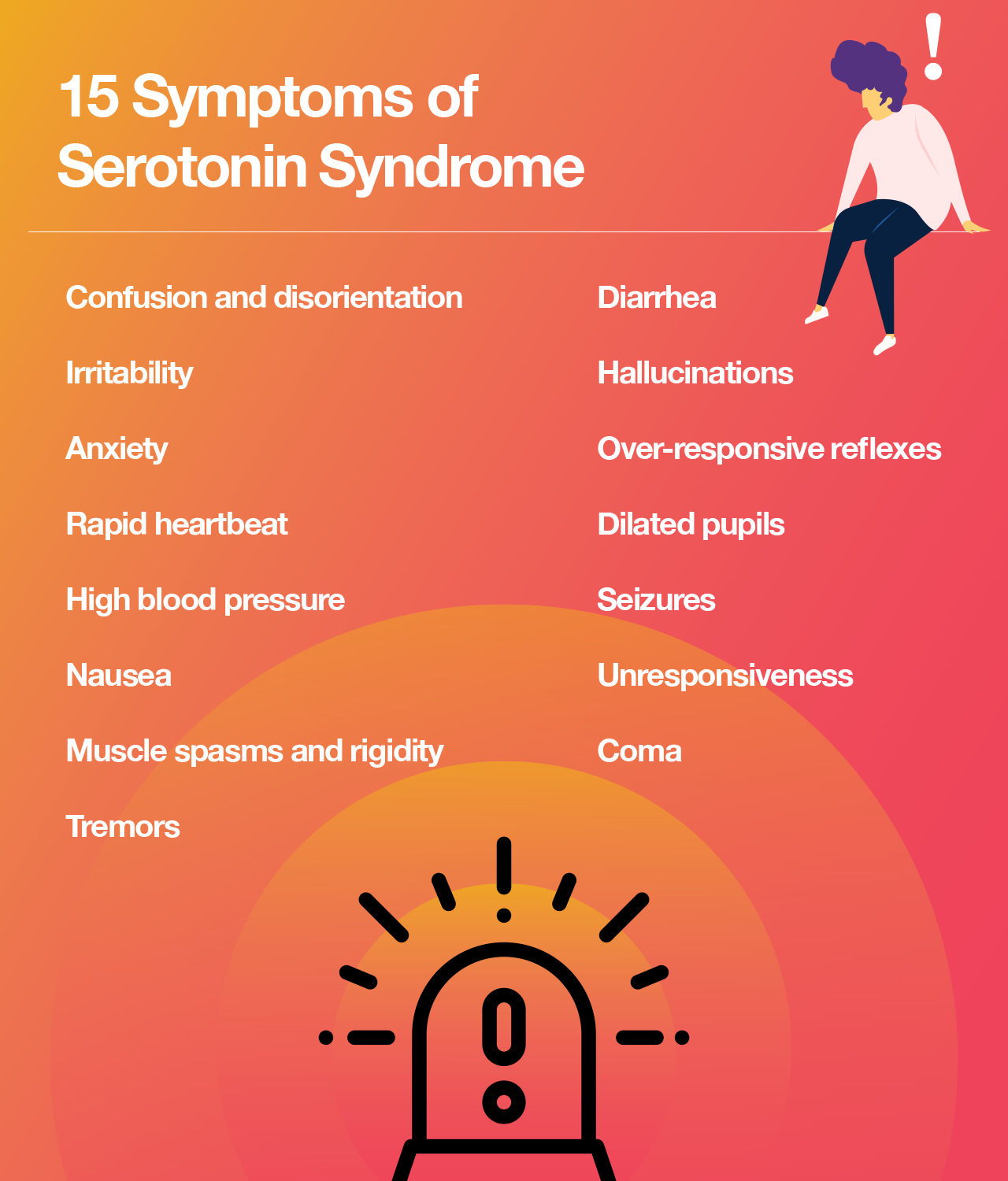
Symptoms of serotonin syndrome typically set in within a few hours. Sometimes, it takes only minutes. Some more mild warning signs to watch for are:
If serotonin levels are allowed to rise unchecked, you may also experience:
In severe cases, the following may occur:
Since the amino acid tryptophan is a precursor to serotonin, many researchers are interested in how tryptophan and other amino acids can be used to balance serotonin levels.
The way neurotransmitters like serotonin operate is intricate and interconnected. That’s why changes to the levels of one neurotransmitter can have such far-reaching effects. Rather than focusing exclusively on your serotonin levels, it can be more beneficial to concentrate on optimizing and balancing the levels of all your neurotransmitters by feeding your brain with a consistent supply of vital nutrients.
According to the work of a team of researchers at the Global Neuroscience Initiative Foundation, the foods you eat can affect your neurotransmitter levels—and consequently, your mood and overall health—in a variety of ways. One of the most influential connections, they found, was the one between amino acids and mood disorders.
The human body uses three amino acids, tryptophan (as we’ve discussed), phenylalanine, and tyrosine, to generate three major neurotransmitters: serotonin, norepinephrine, and dopamine. As the Global Neuroscience Initiative Foundation team explained, deficiencies in those three neurotransmitters are known to increase your likelihood of developing depression and anxiety.
For some people, simply eating a diet loaded with foods rich in amino acids will be enough to keep your neurotransmitter levels balanced and healthy. For others, it can be beneficial to use supplements to give those levels a boost.
Rather than taking single amino supplements to try to influence one particular neurotransmitter, however, you should look for a high-quality essential amino acid supplement. We've got the world's most trusted brand here.
Like neurotransmitters, amino acids work together in complex ways. When you offer your body an ideal amount of all of them, you set yourself up for the greatest health rewards.

Be the first to know about new craveable recipes and tips for living your best life.
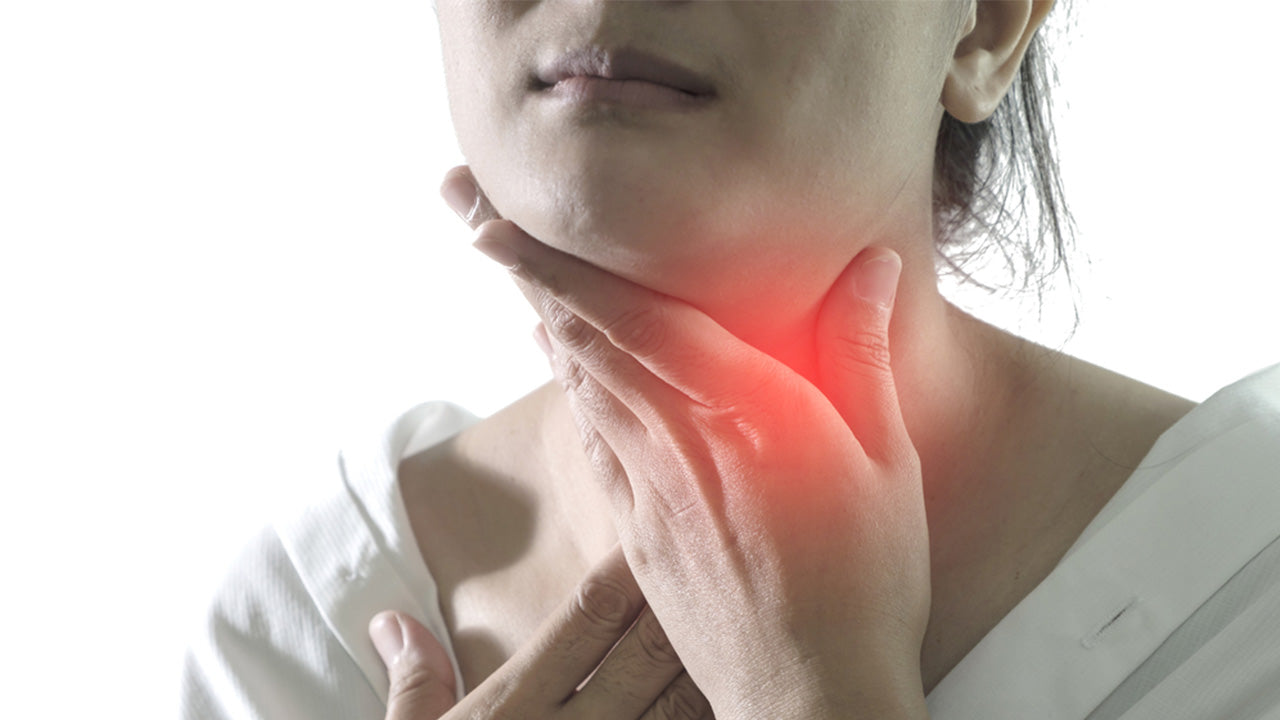
In the early 20th century, Dr. Hashimoto discovered a new form of thyroiditis, or inflammation of the thyroid gland. That new form of thyroiditis, called Hashimoto's disease, is now considered the most common cause of hypothyroidism, or underactive thyroid.
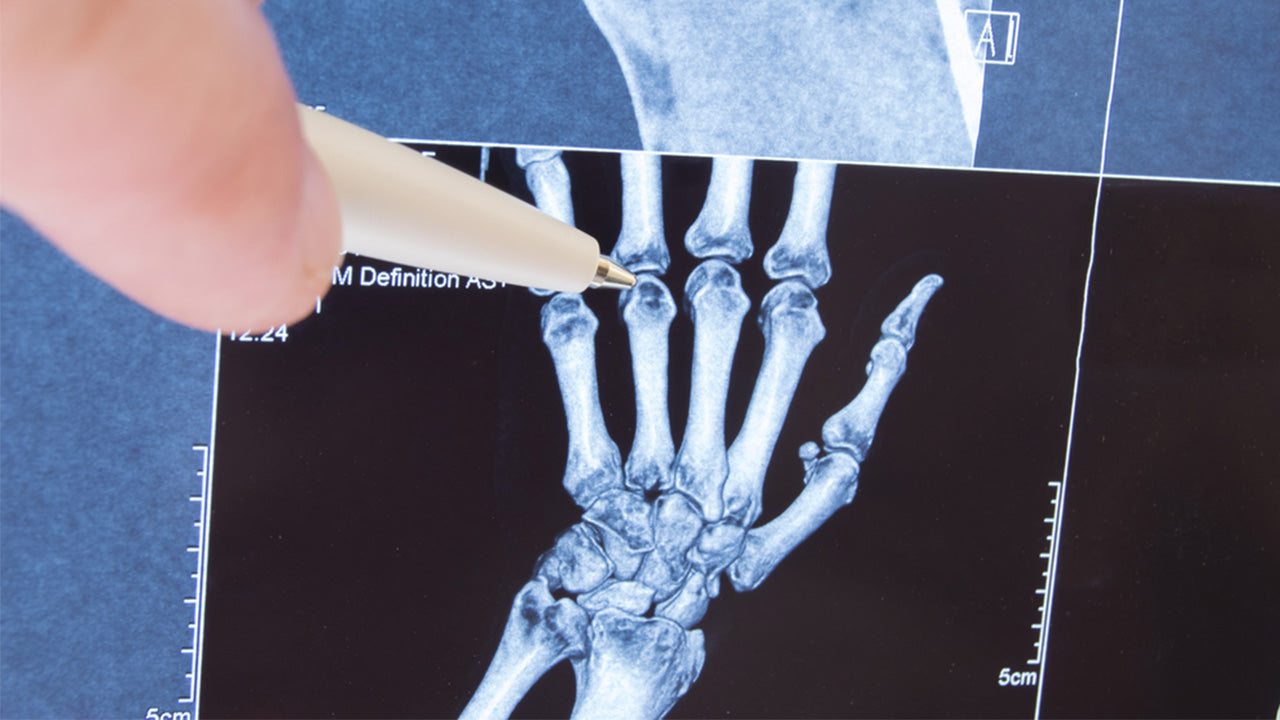
There are various types of chronic juvenile arthritis. In every instance, early diagnosis and treatment can help avoid joint damage. We’ll take a look at the various types of juvenile arthritis and the best course of treatment that can help relieve the symptoms of this condition.
Sign up for our newsletter and let us know what you’re interested in, and you’ll also receive a free E-Book.
30 years of research... and still going.

Give us a try today.
If, for any reason, you don’t like us or our products, simply contact our support team within 60 days and we’ll happily refund you 100% of your payment.
It's our way of making sure you're completely happy with your purchase.

