

 833-264-6620


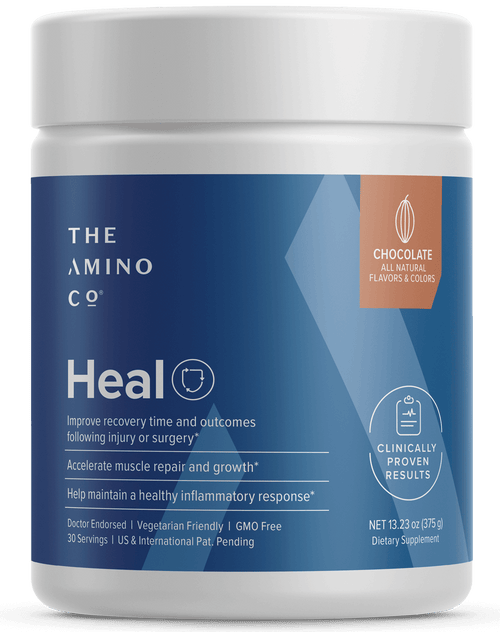
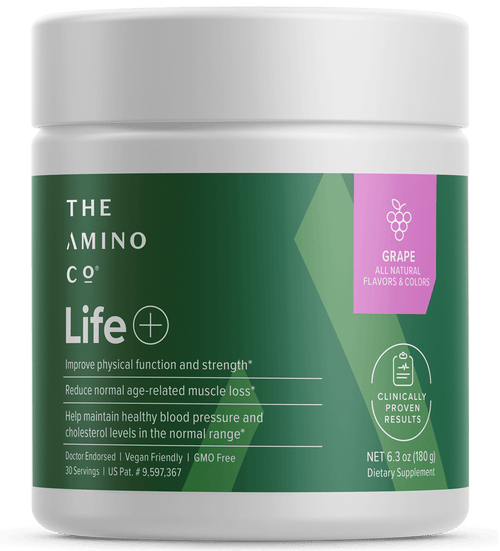



Age-related muscle loss, or sarcopenia, is a natural part of the aging process, but one that can also be attenuated with targeted nutritional intervention. Researchers examined available scientific evidence to determine the role nutritional intake and anabolic stimuli have on protein metabolism in the elderly.
Researchers determined that supplementation with essential amino acids, especially with added leucine, can help restore and maintain muscle mass in older adults, and that when developing nutritional strategies to counteract muscle loss, inefficient sources of energy, such as the nonessential amino acids and carbohydrate, should be eliminated.


Essential amino acids (EAAs) increase muscle protein synthesis and protect against muscle atrophy and weakness in times of illness or bed rest. Researchers examined the effects of EAAs on muscle loss during limb immobilization when combined with the nonessential amino acids (NEAAs) arginine, glutamine, and n-acetylcysteine (NAC).
Twenty-eight days of supplementation with essential amino acids and specific nonessential amino acids 3 times a day was safe and well-tolerated in young healthy men undergoing unilateral knee immobilization. EAAs plus arginine, glutamine, and n-acetylcysteine protected against muscle atrophy and fat accumulation during short-term muscle disuse.

The purpose of this study was to investigate the adverse effects of 28 days of bed rest plus high cortisol levels on muscle fiber function and force, as well as the potential for an essential amino acid and carbohydrate supplement to protect against muscle atrophy and functional loss of individual slow- and fast-twitch fibers of ankle (soleus) and knee (VL) extensors.
An essential amino acid plus carbohydrate supplement can help preserve single fiber function during long-term bed rest likely due to the ability to increase muscle protein synthesis. Researchers conclude that supplementation with essential amino acids can help stimulate muscle protein synthesis and thus protect against loss of myofibrillar protein, muscle atrophy, and decrease in fiber force and power.

Hypoalbuminemia occurs when there is insufficient albumin in the blood. A diagnosis of hypoalbuminemia reflects significant inflammation and signals a great increase in the risk of disease and mortality in dialysis patients. In this randomized, double-blind trial researchers explored the effects of an essential amino acid supplement on serum albumin levels in hypoalbuminemic dialysis patients.
Results showed that an oral essential amino acid supplement can significantly improve the level of albumin in the blood in hemodialysis but not peritoneal dialysis subjects.
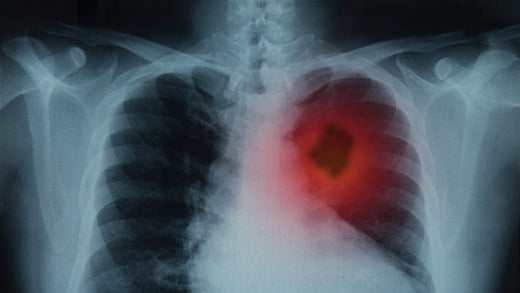
The aim of the study was to investigate the use of essential amino acids (EAAs) as a method for preventing and improving the muscle loss that accompanies nonsmall cell lung cancer and to see if the beneficial effects are independent of muscle loss, weight loss, chronic inflammation, or survival rate. Researchers compared the anabolic properties of an essential amino acid supplement to those of a supplement made up of essential and nonessential amino acids in the profile of whey protein.
Researchers concluded that 14 grams of free EAAs can stimulate muscle protein synthesis to a greater degree than a supplement mimicking the amino acid profile of whey protein, and that this effect is independent of nutritional status, systemic inflammation, or disease progression, which indicates that EAAs may provide targeted nutritional support to help protect against muscle loss and improve the outcome of patients with advanced cancer.

Researchers set out to determine if 21 days of EAA supplementation (20 grams twice a day) would lessen the muscle atrophy and mobility impairments that accompany total knee arthroplasty (TKA) in older adults.
Twice-daily ingestion of 20 grams of EAAs taken for 1 week before and for 2 weeks after TKA limited quadriceps and hamstring atrophy in both the operated and unoperated legs by 2- to 4.6-fold at 6 weeks after TKA. EAA use also accelerated the recovery of functional mobility, leading researchers to conclude that EAA supplementation can help mitigate muscle loss in older TKA patients.

Numerous studies have shown that when essential amino acids or essential amino acids plus carbohydrate are ingested after exercise, muscle protein synthesis is increased beyond the effects of exercise alone. The aim of this study was to investigate the mechanisms behind elevated muscle protein synthesis when an essential amino acid supplement enriched with leucine and carbohydrate was taken after engaging in resistance exercise.
Taking a leucine-enriched essential amino acid + carbohydrate supplement 1 hour after resistance exercise can increase the mTOR signaling pathway and muscle protein synthesis by as much as 145% compared to an increase of just 41% when resistance exercise is performed without such nutritional support.

The aim of this study was to determine the effect of essential amino acids on improved physical performance and health status in patients with COPD.
Oral supplementation with essential amino acids improved physical performance, nutritional and cognitive status, muscle strength, and quality of life in severe COPD patients who did not have access to a rehabilitation program.
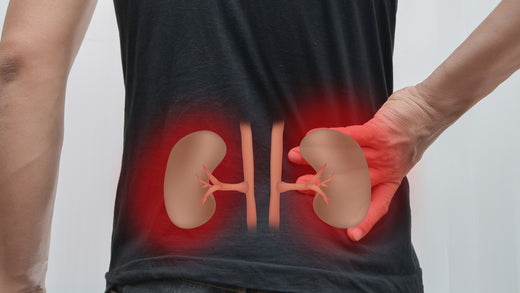
The aim of this study was to investigate the effects of nutritional intervention with essential amino acids and their nitrogen-free keto and hydroxy acid precursors on negative nitrogen metabolism of patients with chronic renal insufficiency.
Chronic renal failure patients on a low-protein diet who supplemented with essential amino acids or their keto acid analogues demonstrated improved protein and amino acid metabolism while patients with renal failure on a low-protein diet alone did not.

Researchers examined previous studies to determine potential treatments for muscle loss during critical care and illness that can also help protect against muscle loss due to external stressors during military operations.
The analysis showed that restoring hormonal balance, particularly testosterone status, can help the muscles be more receptive to the muscle-building effects of nutrition/dietary protein. Results also revealed that supplementation with essential amino acids can help protect against muscle loss, thereby benefiting the performance of military personnel in times of stress.

This comprehensive review examines the role of essential amino acids (EAAs) in increasing muscle protein synthesis during conditions that contribute to muscle loss, and discusses the most effective nutritional strategies for maximizing the anabolic capabilities of EAAs.
A review of the literature suggests that supplementing with an optimal amount of amino acids between meals can help preserve lean muscle mass in aging adults.

Based on previous studies, researchers suspected that oral supplementation with essential amino acids would speed wound healing without the use of topical medication. The investigators compared wound closure dynamics and relevant signaling molecules in elderly rats supplemented with essential amino acids and control rats fed a standard laboratory diet.
Researchers concluded that nutritional intervention with essential amino acids can help accelerate wound repair by reducing inflammation and increasing collagen synthesis, and recommend future research into the therapeutic benefits of essential amino acids on chronic wounds.

To determine if hypercatabolism (the excessive breakdown of muscle protein) occurs in the unaffected arm muscles of stroke patients and if supplementing with essential amino acids (EAAs) could offset this muscle loss.
Researchers concluded that excessive muscle loss in the unaffected arm of stroke patients can occur one month after stroke and be corrected by 8 grams of supplemented EAAs daily.

In response to the extremely high infection rate in elderly patients at their geriatric institute, Italian researchers examined the potential of essential amino acids to lower the incidence of infection.
Researchers concluded that taking 8 grams of essential amino acids orally a day reduced the rate of infection in hospitalized elderly patients by 30%. Findings also suggest that high inflammation and anemia may be risk factors for infection.
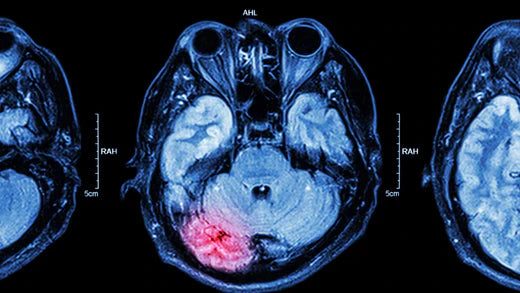
The purpose of this study was to see if oral supplementation with 8 grams of EAAs daily could reduce the rate of infections in brain injury patients during the rehabilitation period. Researchers also sought to determine the major risk factors for developing infection.
Findings suggest that supplementing with essential amino acids during rehabilitation from brain injury can help reduce the occurrence of infections. Prealbumin and CRP stand out as the most dependable predictors of future infections.

The aim of this study was to determine the synergistic effects of resistance training and essential amino acid supplementation on the body composition, muscle strength, and insulin levels of healthy male subjects after 28 days of bed rest and 14 days of active recovery.
After 28 days of stringent bed rest and 14 days of active recovery while eating a reduced-calorie diet, resistance exercise coupled with essential amino acid supplementation proved to have a greater protective effect on muscle mass and strength than an amino acid supplement taken alone.

The majority of studies on muscle protein maintenance in the aging population have been conducted on men. This study examined the individual and combined effects of nutritional intake and exercise on muscle protein metabolism in older women. Researchers pitted the effects of a low-dose, low-calorie, leucine-dominant essential amino acid supplement against the effects of a higher calorie bolus whey protein supplement.
Results showed that both the leucine-enriched essential amino acid supplement and the whey protein significantly stimulated both muscle protein synthesis and albumin protein synthesis within 2 hours of intake and that engaging in resistance exercise lengthened the muscle-building window to 4 hours after intake. Whey protein demonstrated no additional growth effects over the essential amino acid supplement beyond 4 hours.


An estimated 15 million people in the United States alone have alcohol use disorder (AUD), which increases the risk of fatty liver disease and cirrhosis, marked by excess lipids in the liver. The aim of this study was to see if 8 grams and 13 grams of essential amino acids taken twice a day for 4 weeks would lower intrahepatic lipids in people with mild to moderate AUD.
Findings revealed that 13 grams of essential amino acids taken twice a day significantly decreased IHL with no other changes to diet, alcohol intake, or lifestyle behaviors. The low-dose of 8 grams of essential amino acids did not appear to significantly impact IHL levels.

Researchers set out to determine if a whey protein plus essential amino acid meal replacement was more effective than a competitive meal replacement in promoting adipose fat loss, increasing the skeletal muscle protein FSR, and preserving lean muscle tissue during caloric restriction-induced weight loss in elderly participants.
Participants in the whey + essential amino acids group lost 30% more fat than participants supplementing with the competitive meal replacement. Researchers theorize that this greater fat loss may be due to a correlated increase in skeletal muscle FSR, which helps maintain lean tissue. Based on these results, researchers recommend a high-quality protein + essential amino acid supplement to help preserve lean tissue and promote fat loss in the aging population

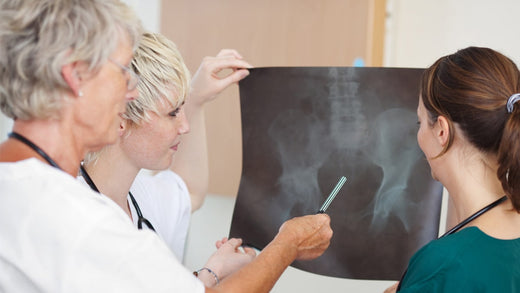
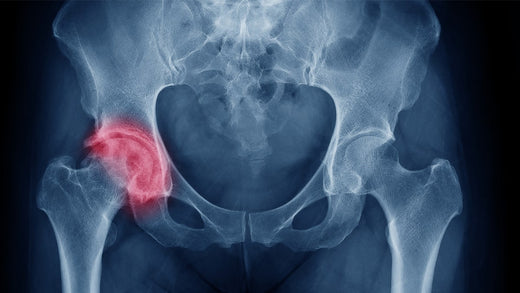
Rehabilitation from elective hip arthroplasty (EHA) can be impaired due to inflammation and alterations in plasma amino acid concentrations. Researchers set out to determine if elective hip arthroplasty patients experienced changes in circulating amino acids as a result of ongoing inflammation and to investigate if supplementing with essential amino acids (EAAs) could accelerate hip-joint recovery.
Research suggests supplementation with EAAs may improve EHA rehabilitation by lowering pain and accelerating recovery of hip-joint function. While supplemental EAAs helped to improve levels of circulating amino acids, they did not entirely correct amino acid abnormalities.

Aging is associated with a decrease in muscle mass, strength, and function that can have adverse effects on health and quality of life. Researchers investigated if daily supplementation with essential amino acids (EAAs) and arginine could reverse the loss of muscle mass, strength, and function in elderly participants.
The results of this study show that ingesting an EAA supplement + arginine between meals increased lean body mass, muscle strength, and physical function in glucose intolerant elderly subjects.







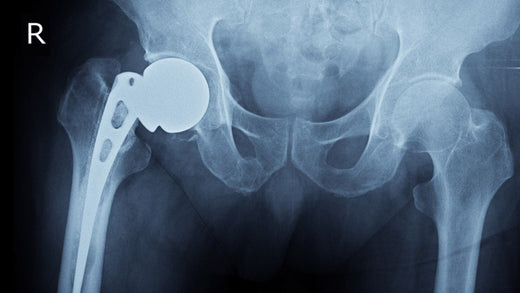
Increasing nitrogen intake with essential amino acid supplementation improved the rate of leg muscle recovery and function following THA.






The purpose of this study was to determine if supplementation with essential amino acids and carbohydrates during 28 days of bed rest could stimulate muscle protein synthesis and help offset the muscle atrophy that occurs with extended inactivity.



Researchers concluded that a moderate dose of essential amino acids taken orally is well tolerated and offers significant benefit to hypoalbuminemic hemodialysis subjects.

Researchers concluded that supplementing with essential amino acids plus carbohydrates before resistance exercise increases muscle protein synthesis to a greater degree than supplementing after resistance exercise.




Bariatric surgery has become a common treatment for severe obesity. While this results in the desired loss of fat mass, muscle mass is also lost with implications for post-surgical health benefits. It is our overarching premise that consumption of our essential amino acid (EAA)-based nutritional formulation following bariatric
surgery will preserve muscle mass by stimulating muscle protein synthesis. As a result, the energy utilization associated with the combination of maintained muscle mass and stimulated muscle protein synthesis will counter the decrease in metabolic rate that normally occurs in a weight-reduced state. Maintenance of a higher energy expenditure by EAA consumption will accelerate loss of body fat, as well as help maintain weight loss.
We have the following hypotheses:
-- Supplementation of the normal diet following bariatric surgery with our proprietary EAA-based formulation twice per day for 6 months will maintain muscle mass and reduce fat mass more than supplementation of the diet with an isonitrogenous amount of whey protein.
-- Muscle protein fractional synthetic rate (FSR) and total muscle protein synthesis (muscle mass x FSR) will decline less from pre-surgery values in participants consuming our EAA-based formulation as compared to whey protein.
-- The pre-surgery rate of total energy expenditure (TEE) will be better maintained in individuals consuming our EAA-based formulation as opposed to whey protein.
-- Six months after bariatric surgery both intracellular and intramuscular lipids measured by magnetic resonance spectroscopy and magnetic resonance imaging (MRS/MRI) will be reduced from the pre-surgery levels to a greater extent in participants consuming our EAA-based formulation than whey protein. We anticipate that a greater reduction in these muscle lipid parameters will be related to greater improvement in insulin sensitivity in terms of glucose homeostasis and also in terms of muscle protein synthesis.
Positive results of this study will support the value of our EAA-based composition to aid in preservation of muscle mass while facilitating fat loss and improving the likelihood of weight stabilization following bariatric surgery.Estimated Completion Date

Estimated Completion Date
Estimated Completion Date
Sign up for our newsletter and let us know what you’re interested in, and you’ll also receive a free E-Book.
30 years of research... and still going.

Give us a try today.
If, for any reason, you don’t like us or our products, simply contact our support team within 60 days and we’ll happily refund you 100% of your payment.
It's our way of making sure you're completely happy with your purchase.
