

 833-264-6620





 By: by Amino Science

Muscle atrophy is essentially muscle wasting: it's what happens when your muscles waste away, frequently as a result of a lack of physical activity. This article will explore the causes and symptoms of muscle atrophy, as well as preventative steps people can take if they're immobile or bedridden due to illness. Loss of muscle mass or muscle strength can be particularly devastating for those who are already in positions of compromised health, and so in an effort to help you maintain your quality of life, we've compiled the relevant information here.
Atrophy of the muscles occurs when a person is inactive for so long that their skeletal muscles (these are the muscles attached to your bones which literally make your skeleton move) begin to break down, and the muscle protein is cannibalized by the body. This can happen in small instances or large, catastrophic instances.
Muscle atrophy of the hand or forearm may occur if you spend weeks in a cast to heal a broken arm, which is why people in casts are given exercises to do while they're immobilized to prevent protein degradation in their muscles and muscle wasting. Muscle atrophy of the legs or muscle atrophy of the thighs can happen on a much larger scale to those who become wheelchair-bound, either temporarily or due to becoming permanently paraplegic. In even more extreme cases, those who have been held as prisoners of war may have full-body muscle wasting due to confinement and malnutrition for significantly long periods, sometimes years.
Muscle atrophy is a decrease in muscle mass, either partial or complete, which is most commonly suffered when a person becomes disabled or their movements severely restricted. This makes it difficult or impossible to move the part of the body where the muscle has atrophied, and medical advice should be sought for solutions.

Significant decreases in activity levels can lead to muscle atrophy, and there are many situations where that can occur, causing what's known as disuse atrophy. There are also instances of muscle atrophy due to medical conditions that inhibit the use of a body part, and even rarer causes like the muscle atrophy experienced by astronauts after relatively short periods (a few days) of weightlessness. Muscle atrophy in situations of being bedbound or ceasing intense physical training can come on in as little as 2 weeks. Some of the other causes of muscle atrophy are as follows.
Some of the diseases and medical conditions that can disrupt or restrict movement, thus leading to muscle atrophy, include:
Regardless of the cause, these are the symptoms that may alert you to possible muscle atrophy, after which a trusted medical professional should be sought for advice.
Not to be flippant about the subject, but there is some truth to the phrase "use it or lose it" when it comes to muscle. If you cannot move your muscles with regular physical activity, you will start to lose them.
Muscle atrophy pain may or may not be a symptom, as that depends on the cause of the atrophy. Many people will begin to lose muscle before they are aware it's happening, and will have to rely on visual muscle size to realize they need medical attention.
Once you've gotten in contact with a medical professional, the diagnosis may involve your full medical history, a review of any previous injuries, as well as an evaluation of your symptoms. Diagnosing the atrophy may also involve diagnosing the underlying medical condition, which may require blood tests, X-rays, MRIs, CTs, a nerve conduction study, or a muscle and/or nerve biopsy to find out what could be causing muscle atrophy if it's not readily apparently (as it would be if you'd suddenly become bedbound).
Depending on the cause, yes. There are some cases where a proper diet, exercise, and physical therapy can not only reverse muscle atrophy, but also prevent it from recurring. However, this will not be the case in some disease-related forms of atrophy, and it is important that you consult your doctor on what your expectations for muscle atrophy recovery should be in restimulating protein synthesis and rebuilding your muscles.
Again, this will depend on the diagnosis of the cause, and also the severity of your muscle loss, but the treatments for reversible muscle atrophy may be as follows.
If a lack of movement caused this condition, regaining movement will go a long way towards fixing it, and moderate exercise like walking, along with physical therapy, may be a way to regain muscle strength without needing surgery to fix skin, tendons, or ligaments too tight to begin moving again (as in cases of contracture deformity that could be caused by malnutrition or burn injury scar tissue).
There are ways to prevent muscle atrophy before it happens, and ways to guard against it if you were fortunate enough to recover your musculature after one instance of muscle loss. If preventing muscle atrophy is in your control (and, of course, sometimes it will not be), here are a few ways to maintain muscle strength in adverse circumstances.
If you're in recovery from a severe illness or have just come home from the hospital after a debilitating accident, it's not as if you'll take up jogging right away. However, movements as small as walking to your mailbox each day, or around the block, or up and down a single flight of stairs, can truly make the difference in the long run when it comes to maintaining your mobility.
Depending on your condition, this may be difficult, but when your body lacks the proper nutrition to stay running, it will start to catabolize your muscles for its needs, which is a form of self-cannibalization or destructive metabolism that literally eats away at your muscles. Make sure you're getting proper protein, if not from whole foods, then in the forms of protein shakes or supplements, as every little bit may help.
In fact, supplementing with amino acids has been proven to help accelerate muscle recovery in times of sickness and illness and can help boost your muscle-building gains. To learn more about amino acid therapy for muscle atrophy, give this informative article, written by one of the world's foremost amino acid researchers, a read.
Physical therapy is particularly valuable for those with severe injury recovery (such as a car crash survivor) or a neurological condition, as therapists provide professional guidance on what, and how, and how often to stretch your body to build strength.
Another way physical therapy can help you even before you have the strength to help yourself is with passive movement. Passive movement requires the therapist to gently move your legs and arms for you. This is how you can begin to recover from a very deep muscle deficit and build up strength and muscle again.
Not only will the above advice help prevent muscle atrophy, but it can also help discourage bedsores in those who are bedridden due to illness, and reduce the chances of developing dangerous blood clots in the limbs. Likewise, these movements may prevent muscle stiffness, retraction, and nerve damage. Consult a medical professional or licensed physical therapist for more advice.
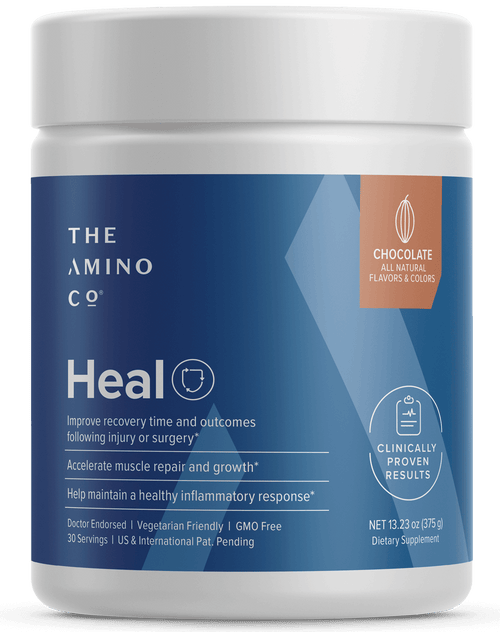
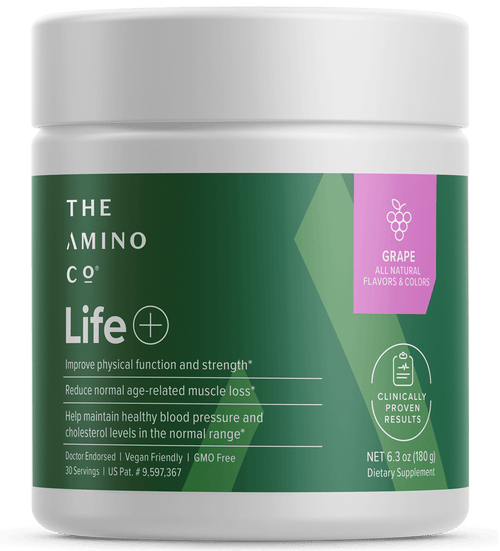
If you are in danger of muscle atrophy, take steps to make sure your protein intake and nutrients are sufficient, including the use of a supplement if necessary, like Amino Co's essential amino acid supplement, which contains all of the essential aminos required to build new muscle cells and structures.
Also, make sure that you stay active, no matter in how small a way, to preserve your muscle function and prevent your muscles from falling into complete disuse. You cannot always control your body's condition, but if the type of atrophy you fear is the type that's preventable, it's well worth the effort to maintain the quality of life and movement you've come to expect.
Be the first to know about new craveable recipes and tips for living your best life.
What is muscle protein synthesis and why is it so important? In this article, we’re going to explore this topic and uncover everything you need to know about this vital function.

The role of muscle in health includes regulating blood amino acid and glucose levels, supporting bone health, and increasing survival. Muscle also plays a central role in amino acid and protein metabolism in the body. In fact, muscle can be considered a reservoir of amino acids!
Sign up for our newsletter and let us know what you’re interested in, and you’ll also receive a free E-Book.
30 years of research... and still going.

Give us a try today.
If, for any reason, you don’t like us or our products, simply contact our support team within 60 days and we’ll happily refund you 100% of your payment.
It's our way of making sure you're completely happy with your purchase.

