

 833-264-6620




 By: by Amino Science

Health departments worldwide have been tracking several underlying conditions COVID-19 makes worse. In this article, the Amino Co team is covering each of these conditions and why they increase the risk of severe illness from the coronavirus. We’ll also be discussing how supplementation can help protect against COVID-19 complications.
The Centers for Disease Control and Prevention (CDC) identifies the following underlying conditions that put people of any age at high risk of severe illness from COVID-19:
Let’s investigate the link between these types of health conditions and COVID.
Cancer treatments and therapies weaken the immune systems of cancer patients, putting them at increased risk of complications from the SARS-CoV-2 virus. This effect is called neutropenia, and it causes a temporary shortage of infection-fighting white blood cells. Cancer patients who receive bone marrow stem cell transplants, checkpoint inhibitors, or CAR-T therapy are at particular risk because these treatments can produce T-cells that put the immune response on overload and unleash harmful inflammation.
Renal failure patients on dialysis have vulnerable immune systems that are less able to fight infections such as the novel coronavirus. Kidney transplant patients are also at increased risk of complications due to anti-rejection medications that suppress the immune system, thereby making it more difficult to defend against the virus.
COPD, cystic fibrosis, and pulmonary fibrosis are chronic lung diseases that have been classified as COVID-19 underlying conditions to watch out for. The lungs are the main mark of the coronavirus, which doesn’t just make it difficult to breathe but also exacerbates inflammation. In any of these conditions, life-threatening complications such as pneumonia can develop as the infection becomes more aggressive.
Lung disease patients with COVID-19 can potentially suffer from acute respiratory distress syndrome (ARDS) in which the lungs fill with fluid, impairing the ability to breathe and cutting off access to oxygen. Other reports indicate that lung conditions can increase your risk of respiratory failure and prolonged mechanical ventilation.
An immunocompromised state can be caused by:
People in an immunocompromised state have a weakened immune system that is unable to fight off pathogens and viruses. These conditions often necessitate the use of immunosuppressants that subdue an overactive immune system but leave those with autoimmune conditions more vulnerable.
According to a recent study published in the Annals of Internal Medicine, obesity, defined as having a body mass index (BMI) of 30 or more, can more than double your risk of death from the coronavirus (1). Shortness of breath is a common COVID symptom made worse by excess fat. Obesity also increases chronic inflammation, which can damage the lungs and air sacs. Obesity is associated with other underlying medical conditions linked to increased severity, such as cardiovascular disease and pre-existing respiratory illnesses.
Those with serious heart conditions such as coronary artery disease, congestive heart failure, and cardiomyopathies are at increased risk of COVID severity, as are those with hypertensive disease (caused by high blood pressure), cerebrovascular diseases such as stroke, and vascular dementia which reduces blood flow to the brain.
The lungs and heart depend on one another. When the lungs are compromised by the coronavirus disease the heart has to work even harder to pump blood and oxygenate the body, which is already more difficult for someone with a heart condition. The heart is also directly affected by the infection. For instance, fever increases heart rate and the likelihood of developing blood clots becomes substantially higher as do other adverse events, including cardiac arrest.
Red blood cells disorders such as sickle cell disease and thalassemia can cause symptoms that mimic COVID, including blood clotting, stroke, and oxygen deprivation.
In sickle cell disease red blood cells mutate into inflexible crescent shapes that get lodged in small blood vessels, compromising blood flow and oxygen. Viral illnesses such as the coronavirus trigger this sickling effect, which can lead to acute chest syndrome, a leading cause of death in sickle cell disease patients.
Those with thalassemia aren’t as at risk of lung infections, but this risk can increase with additional conditions such as heart disease, liver disease, or diabetes.
Type 1 diabetes and type 2 diabetes are associated with more severe COVID-19 cases. This higher risk is indicated by early studies that found 25% of hospitalized coronavirus patients had diabetes (2). High blood sugar weakens the immune system, and viral infections increase inflammation in diabetics. Glucose-lowering medications and antiviral treatments can also lower the body’s ability to fight infection.
Asthma was named early on as an underlying health condition that might place one at increased risk of COVID complications. That’s because the virus attacks your lungs, nose, and throat and can possibly cause an asthma attack, pneumonia, or acute respiratory distress. More recent investigations indicate that asthma does not increase the risk of hospitalization from coronavirus, while other research indicates that the type of asthma determines the severity risk. Those with non-allergic asthma caused by stress, cold weather, or physical activity are more likely to develop a serious case of COVID.
COVID-19 can worsen neurological conditions that affect the lungs or immune system, such as multiple sclerosis (MS). Lung function can also be debilitated by a spinal cord injury or other neurological health conditions.
Neurological impairments coupled with COVID can make it doubly difficult to catch your breath or cough and clear your lungs of fluid and mucous, and your muscles may not be able to function as robustly as they need to. Neurological conditions can also impact your body’s ability to control temperature, leading to dangerously high fevers.
Nonalcoholic fatty liver disease (NAFLD) and comorbidities such as obesity and metabolic syndrome make it 6 times more likely that COVID will develop into a serious and life-threatening illness according to a study from the Journal of Hepatology (3). The coronavirus can impair liver function, and we know that viruses that act in a similar manner to coronavirus disease 2019 can release virus-specific effector T-cells that damage liver cells.
The CDC released data in June that indicated pregnant women with COVID are 50% more likely to be admitted to the ICU than non-pregnant women with COVID. More recent statistics from the Public Health Agency of Sweden put that figure at 6 times more likely to go to the ICU.
When pregnant, the immune system directs its efforts to keeping the fetus healthy, which leaves the mother more vulnerable to infections. As the uterus develops, the lungs have less room to expand, which can impair breathing, especially coupled with COVID’s strain on the lungs. Then there’s the stress on the heart. Pregnant women need more oxygen and blood, so the heart is already working harder than usual.

Essential amino acids (EAAs) are a proven treatment for many of the aforementioned COVID risk factors.
When it comes to fighting the coronavirus pandemic, your health is your number one ally. Keep your immune system, muscle health, and heart health strong with Amino Co EAAs, targeted for your specific wellness needs.

Be the first to know about new craveable recipes and tips for living your best life.

When you start to feel flu-like symptoms coming on—runny nose, sore throat, nausea—it’s natural to want to know if the coronavirus may be the culprit. Let’s take a look at flu vs. COVID symptoms, complications, and treatments to help get a clearer picture of the virus responsible for this global pandemic.
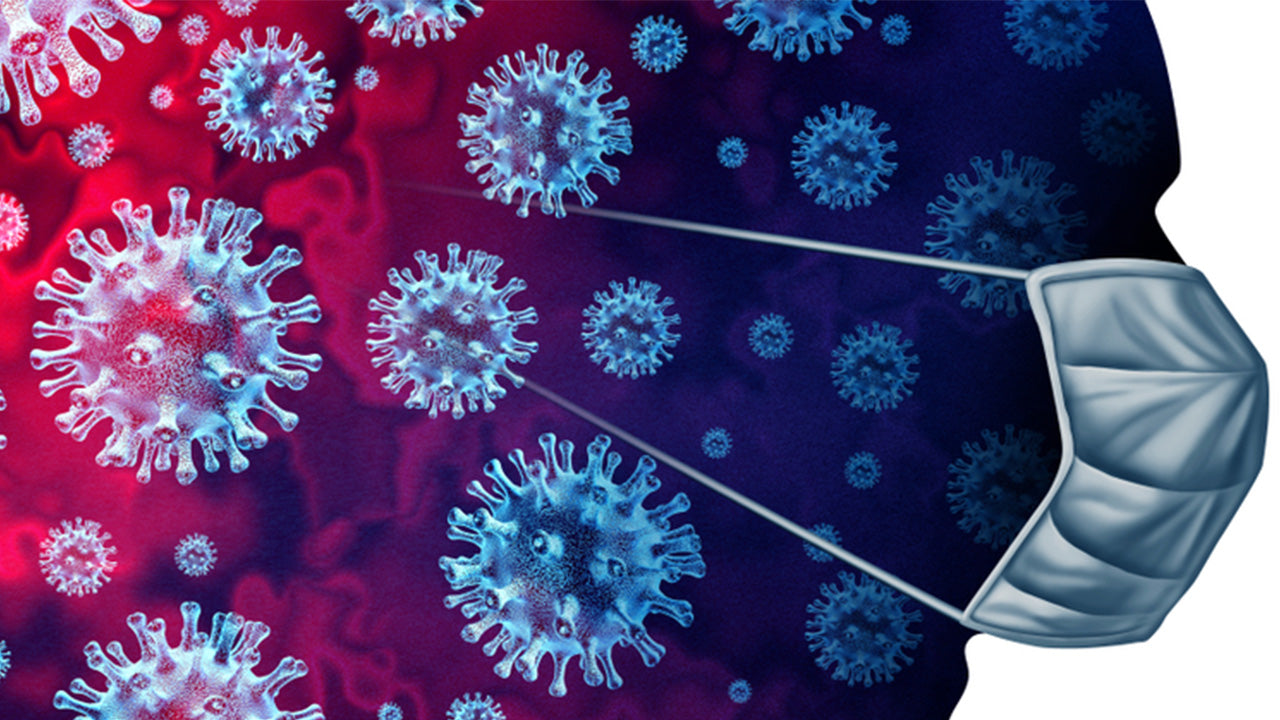
As national and worldwide health institutes get to know the coronavirus better the list of symptoms grows longer. Let’s get up to speed on underlying coronavirus symptoms so we know what to watch for as we safeguard our health.
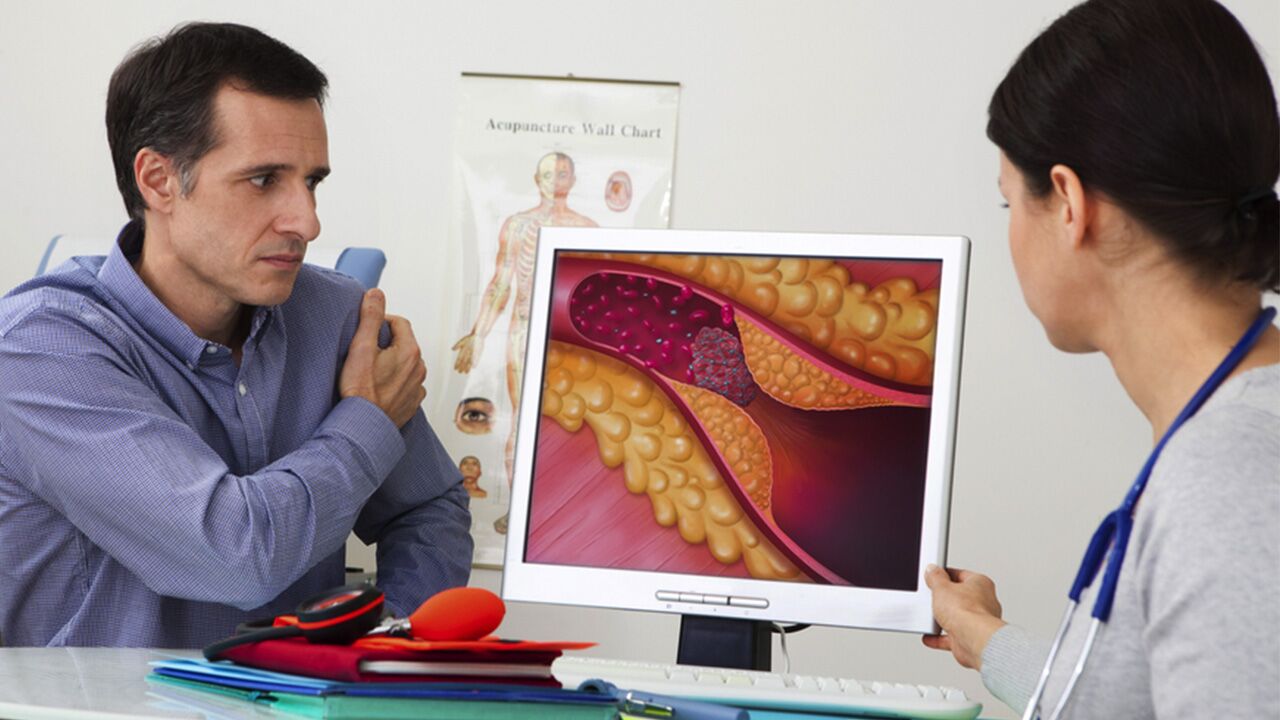
Coronary artery disease (CAD) is a heart disease that afflicts millions of Americans each year and is responsible for close to 16% of all deaths globally. It is important to identify CAD signs and risk factors early to help prevent its deleterious effects.
Sign up for our newsletter and let us know what you’re interested in, and you’ll also receive a free E-Book.
30 years of research... and still going.

Give us a try today.
If, for any reason, you don’t like us or our products, simply contact our support team within 60 days and we’ll happily refund you 100% of your payment.
It's our way of making sure you're completely happy with your purchase.

