

 833-264-6620




 By: by Amino Science
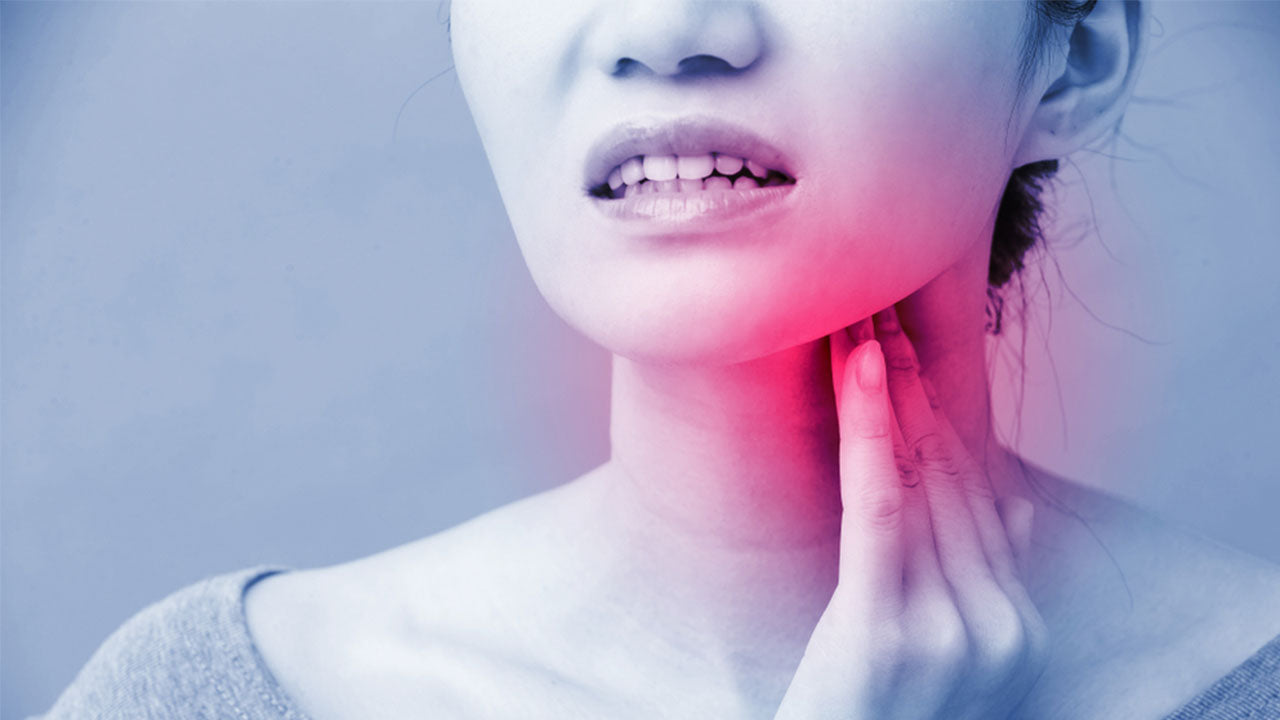
According to the American Thyroid Association, more than 12% of people in the United States will develop some type of thyroid disorder in the course of their lives. And the National Institute of Diabetes and Digestive and Kidney Diseases (NIDDK) estimates that approximately 5% of Americans over the age of 12 have symptoms of hypothyroidism, or underactive thyroid. If left untreated, hypothyroidism can result in a number of serious health problems. So come with us as we delve into this common condition, uncover its causes and symptoms, and discuss available treatments and what you can do to take care of your thyroid and protect your long-term health.
The thyroid is a small, butterfly-shaped gland that sits near the bottom of the neck, below the larynx, or voice box. The thyroid gland makes two main hormones, thyroxine (T4) and triiodothyronine (T3), the levels of which are controlled by another hormone called thyroid-stimulating hormone (TSH). TSH is in turn produced by the pituitary gland—an organ found in the brain that’s sometimes referred to as the body’s master gland.
Together, the thyroid hormones regulate the body’s use of energy and affect the function of almost every organ. In fact, many of the processes we take for granted, such as heartbeat, breathing, body temperature, metabolism, and menstrual cycles, couldn’t take place without thyroid hormones.
But sometimes the thyroid’s ability to produce enough hormones to maintain healthy functioning is compromised. And when this happens, hypothyroidism results.
Hypothyroidism may be caused by a number of factors, from autoimmune diseases to iodine deficiency, but some of the most common causes include:
Hashimoto’s thyroiditis, or Hashimoto’s disease, is the most common cause of hypothyroidism in America. An autoimmune disorder in which the immune system mistakes the thyroid for a foreign invader and creates antibodies against it, Hashimoto’s thyroiditis results in chronic inflammation of the thyroid that damages the gland’s ability to produce thyroid hormones.
People who’ve undergone thyroidectomy to treat certain thyroid diseases, including overactive thyroid (hyperthyroidism), thyroid nodules, and thyroid cancer, can develop hypothyroidism. Some forms of thyroid surgery preserve thyroid function by removing only part of the gland, but individuals who’ve had surgical removal of the entire gland must receive supplemental thyroid hormones for the rest of their lives.
People with head and neck cancers who undergo radiation—including radioactive iodine for the treatment of thyroid cancer or hyperthyroidism—may experience thyroid damage that leads to hypothyroidism.
In addition to the above, other less common causes of hypothyroidism may include:
Although anyone can develop hypothyroidism, certain factors may predispose an individual to developing the condition. Some of the most common risk factors include:
Many people may think of hypothyroidism as a relatively benign condition that causes little more than fatigue and weight gain. However, untreated hypothyroidism can lead to a number of serious health issues, including:
The symptoms seen in cases of hypothyroidism vary depending on the severity of the disease. And because the condition tends to develop slowly over many years, it can be easy to dismiss symptoms as merely the result of the aging process. However, as the disease continues to progress, symptoms will become harder to ignore. Some of the most common symptoms to watch out for include:
| Chronic fatigue | Cold intolerance |
| Constipation | Dry or puffy skin |
| Hair loss | Weight gain |
| Hoarseness | Muscle and joint pain |
| Muscle weakness | Joint swelling |
| Elevated cholesterol | Irregular menstrual periods |
| Decreased heart rate | Depression |
| Memory difficulties | Thyroid enlargement (goiter) |
To diagnose hypothyroidism, your health care provider will first speak with you regarding your symptoms and then perform a physical exam to evaluate for signs of the condition, including thyroid enlargement, dry skin, and slow heart rate. If findings lead your health care provider to suspect hypothyroidism, blood tests will then be conducted to assess thyroid hormone levels.
While the most commonly measured thyroid hormone is TSH, your doctor may choose to evaluate levels of T4 as well. A finding of elevated TSH levels and decreased T4 levels is indicative of clinical hypothyroidism. However, in cases where TSH is elevated but T4 is normal, a diagnosis of subclinical hypothyroidism may be given. If this occurs, your health care provider might choose to do nothing, or they might offer a trial of thyroid hormone replacement or recommend dietary changes and nutritional support.
After receiving a diagnosis of hypothyroidism, treatment usually involves thyroid hormone replacement in the form of levothyroxine—a synthetic hormone. This medication is provided in pill form and is usually given once a day. When therapy first begins, TSH will need to be checked on a regular basis to ensure the proper dosage has been prescribed.
If you experience symptoms of too much thyroid hormone, including increased appetite, insomnia, and palpitations, your dose of levothyroxine will need to be lowered. However, side effects are generally minimal after the appropriate dose is found, and treatment usually requires only yearly monitoring to make sure further dosage changes aren’t needed.
As mentioned, diet and nutrition play an important role in thyroid health and can be very helpful when used as adjunctive therapy in the treatment of hypothyroidism.
While people with hypothyroidism may be advised to limit their consumption of goitrogenic foods like broccoli and kale—as they may interfere with the production of thyroid hormones—there are many foods and nutritional supplements that can actually help support the thyroid and even decrease the need for medication. These include foods high in B vitamins, omega-3 fatty acids, and antioxidants as well as:
If you’re experiencing symptoms of hypothyroidism, be sure to speak with your health care provider. Testing is quick and easy, and early treatment can help prevent long-term complications.


Be the first to know about new craveable recipes and tips for living your best life.

The thyroid produces thyroid hormones called thyroxine (T4) and triiodothyronine (T3). Sometimes the information in the body gets relayed incorrectly, causing the thyroid to overproduce, resulting in a condition called hyperthyroidism. Hyperthyroidism can cause serious health risks if left untreated.

Get to know your thyroid a bit better, including the conditions it's susceptible to, 6 ways to boost thyroid health, and foods to eat and foods to avoid when it comes to thyroid health.
Sign up for our newsletter and let us know what you’re interested in, and you’ll also receive a free E-Book.
30 years of research... and still going.

Give us a try today.
If, for any reason, you don’t like us or our products, simply contact our support team within 60 days and we’ll happily refund you 100% of your payment.
It's our way of making sure you're completely happy with your purchase.

