

 833-264-6620




 By: by Amino Science

What happens when you take all the brain-boosting foods of the Mediterranean diet and combine them with all the brain-boosting foods of the DASH diet? You get the MIND diet, developed in 2015 by researchers at Rush University Medical Center. If you’re looking for a healthy eating plan that will help keep your brain sharp, then the MIND diet is our top recommendation. Let’s discuss MIND diet pros and cons. And be sure to check out our MIND diet meal plan, which has you covered with a week’s full of MIND diet recipes.
The MIND diet is a hybrid of the two best diets of the last couple of decades: the Mediterranean diet and the DASH diet, which stands for Dietary Approaches to Stop Hypertension. With an emphasis on whole foods and the avoidance of processed foods, both of these diets have been shown to help lower high blood pressure, promote weight loss, reduce inflammation, and lower the risk of heart disease, stroke, diabetes, and osteoporosis.
The Mediterranean and Dash diets have also been proven to slow the loss of brain function, but neither diet puts the main focus on brain health. So Martha Clare Morris, a nutritional epidemiologist and director of the MIND Center for Brain Health at Rush University Medical Center, and colleagues designed the Mediterranean-DASH Intervention for Neurodegenerative Delay (MIND) diet to see how effectively it could slow age-related cognitive decline. The results so far have been impressive.
Researchers believe the MIND diet preserves brain function by reducing the oxidative stress and inflammation that damages brain cells.
They examined cognitive function over an average of 4.7 years in 960 participants of the Memory and Aging Project. Those who followed the MIND diet the closest slowed brain aging by 7.5 years compared to participants who did not adhere to the MIND diet (1).
In another study, older adults (58-98 years old) who adhered to the MIND diet had a 53% lower risk of Alzheimer’s than participants who did not stick closely to the diet. Strict adherence, however, isn’t necessary to see benefit. Even those who moderately followed the diet slashed their risk of Alzheimer’s by 35% on average (2).
It appears that the MIND diet helps protect against Alzheimer’s disease by discouraging the formation of beta-amyloid proteins that accumulate in the brain and are thought to be a primary driver of the neurodegenerative condition.
There are many health benefits of the MIND diet: brain health, heart health, weight loss, and diabetes management to name a few, but there are also some potential pitfalls to be aware of.
The diet is not a lifestyle, and so doesn’t emphasize the importance of physical activity. We’re here to remind you that it’s important to exercise for the health of your brain and your body.
The MIND diet isn’t too restrictive, which is a plus, but the broad guidelines can leave a little too much wiggle room for cheating and experimentation. That’s where a meal plan can come in handy (see our sample menu below).
As you review the list of foods to eat and foods to avoid in the next section, you’ll notice that the MIND diet excludes high-protein foods such as red meat and cheese, which can cause a dip in protein intake. And protein is one nutrient your brain simply cannot do without. Proteins feed your brain cells vital nutrients and help balance and regulate brain function, including your mood.
But don’t worry, we have a MIND diet workaround! Our Active Aging blend of essential amino acids (the very building blocks of protein) is formulated to help you maintain brain function, muscle mass and strength, and heart health as you age. That’s why we’ve included this daily protein supplement in our MIND diet meal plan, to make sure you’re covered on all nutrient fronts.
You can learn more about our Active Aging protein supplement here, but first let’s get you started on the MIND diet.
Bust out your shopping list, because here are the foods you’ll want to be foraging for this week.
You can support your brain-boosting diet by taking a daily MIND diet-approved essential amino acid supplement.
Brace yourself: here are the foods to avoid or limit when following a MIND diet and boosting brain health. What do these unhealthy foods have in common? They are rich in saturated and trans fats!
It goes without saying that any diet plan that focuses on brain health nixes fast food and processed foods...basically anything packaged, boxed, or canned.
Get started on your MIND diet using the following eating plan as a guide. We’ve got a mix of brain healthy foods from all the different food groups to help optimize your overall health.


Be the first to know about new craveable recipes and tips for living your best life.
The alkaline diet is based on the premise that acidic blood causes all sorts of health problems that can be countered by eating more alkaline foods. Is it all it’s cracked up to be? Eating too many alkaline foods and not enough acidic foods may lead to amino acid nutritional deficiencies that can have disastrous consequences on your health.
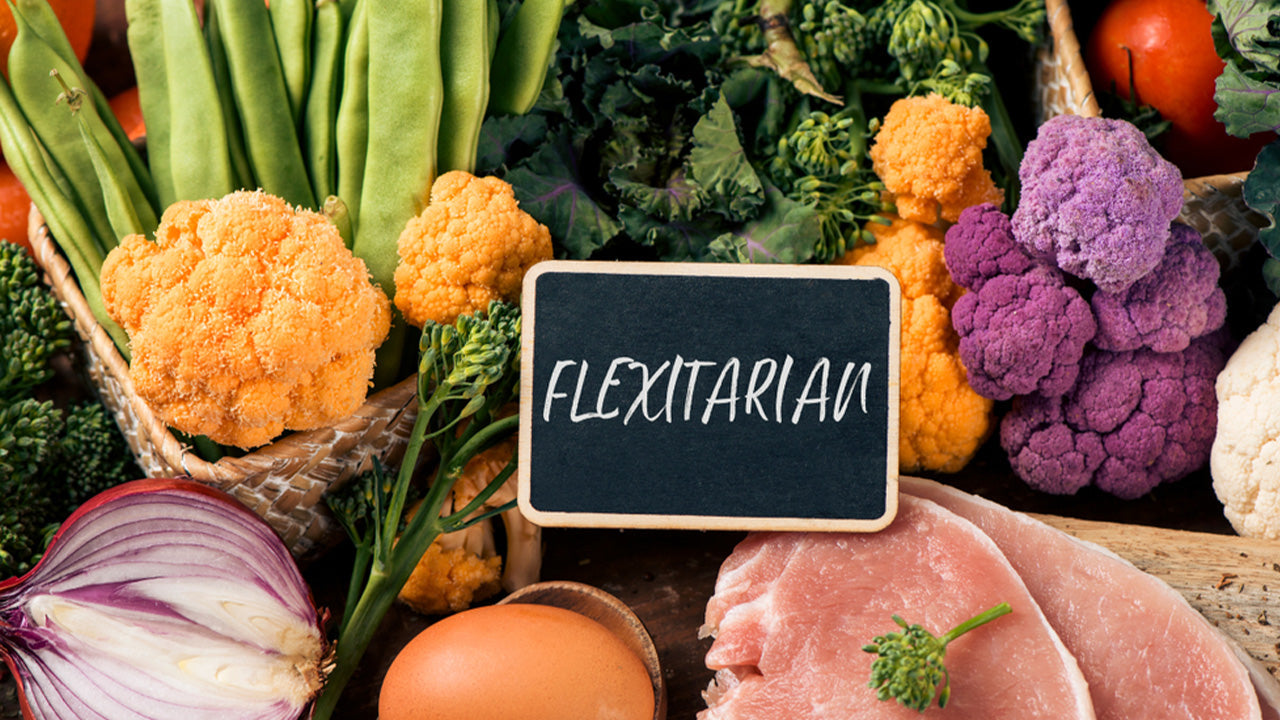
The Flexitarian Diet brings together vegetarianism and flexibility for an eating plan that appeals to individuals looking to eat healthier and lose weight without having to entirely forego meat and animal products. Let’s find out if the flexitarian lifestyle is a fit for you!
Sign up for our newsletter and let us know what you’re interested in, and you’ll also receive a free E-Book.
30 years of research... and still going.

Give us a try today.
If, for any reason, you don’t like us or our products, simply contact our support team within 60 days and we’ll happily refund you 100% of your payment.
It's our way of making sure you're completely happy with your purchase.

