

 833-264-6620




 By: by Amino Science
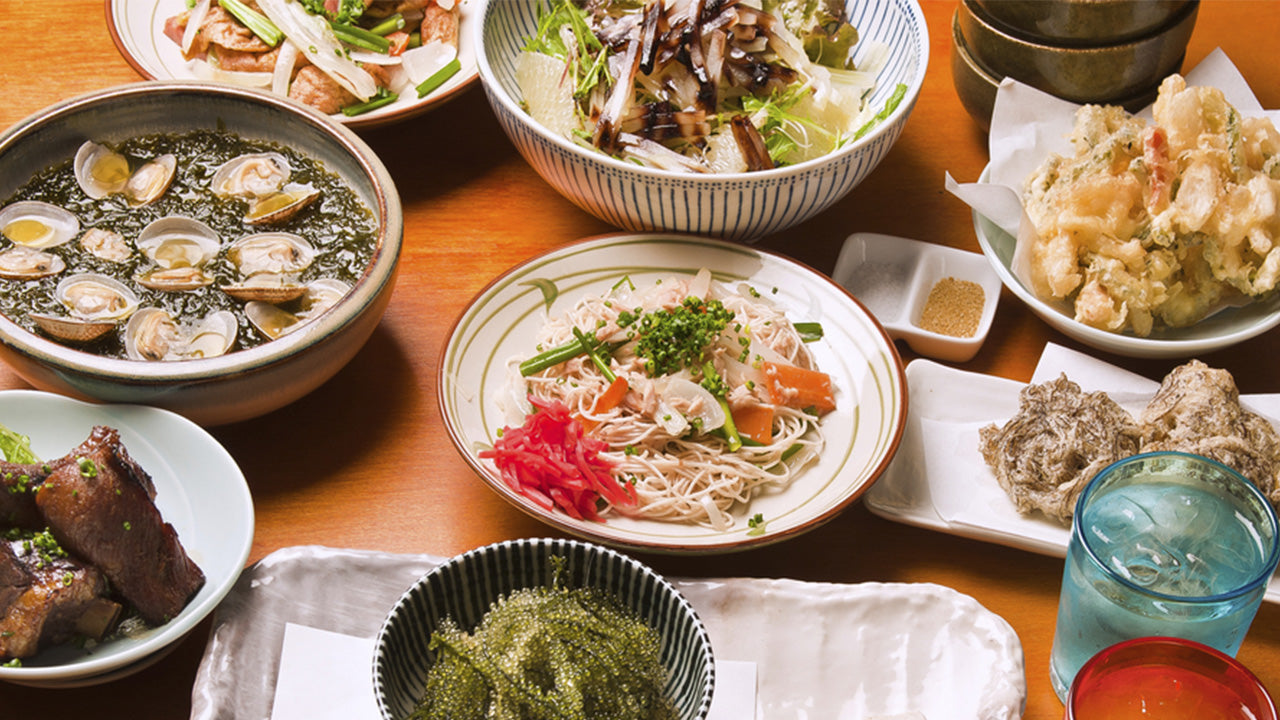
The Japanese island of Okinawa made headlines 20 years ago when it was declared a blue zone—a region of the world where people live the longest and the healthiest. Both the Okinawa lifestyle and the Okinawa diet contribute to the longevity of the residents. So what diet and lifestyle practices can we adopt from these centenarians so that we too can live longer and healthier?
Okinawa is just one of five blue zone regions:
After traveling the world looking for longevity hot spots, National Geographic Fellow and multiple New York Times bestselling author Dan Buettner, along with a team of anthropologists, scientists, and demographers, determined 9 commonalities of these blue zones, which they dubbed the Power 9.
While each of these nine factors increases life span, the 80% rule is one that originates with the Okinawans and plays a large role in the longevity and health benefits of the traditional Okinawa diet.
Okinawans live by the Confucian motto hara hachi bu, which in English means “eat until you are 80% full.”
It’s one of the reasons the Okinawa diet is good for weight loss. Following the cues of your body and eating until you are almost full is a natural way to reduce calories. You can follow the eating habits of Okinawa centenarians by:

Low in calories, refined sugar, and saturated fats and high in complex carbohydrates, fiber, and anti-inflammatory and antioxidant compounds, the traditional Okinawa diet plan is credited with reducing the risk of chronic disease and increasing life span. The traditional Okinawa diet consisted of 90% plant foods (mostly vegetables and beans) and less than 1% meat, fish, or dairy.
Research shows that compared to people living in the United States, Okinawans had:
These estimates, however, applied to the 30 years prior to the year 2000. Since then life expectancy has declined due to Westernization and modernization of food. Okinawans now eat significantly more fat, protein, processed foods, and sugars.
If you’re chasing the longevity and weight-loss benefits of the Okinawa diet, then it’s best to look to the traditional diet as a model.
The Okinawa diet differs from other Japanese diets in that the Okinawans eat far less rice. The main staple of the Okinawa diet is orange and purple sweet potatoes, rich in fiber, carotenoids, potassium, magnesium, and vitamins A and C, all of which promote a healthy, long, disease-free life. Sweet potatoes also have a low glycemic index (GI), so they don’t spike blood sugar like other carbs can.
The following list is by no means comprehensive, but filling your plate with copious amounts of any of these options is likely to get you that much closer to the 100-year mark. Apart from the occasional consumption of meat, you’re correct to assume that the Okinawa diet is similar to the vegan diet. It’s also reminiscent of the Mediterranean diet, which isn’t as restrictive and doesn’t lean so heavily on soy products.
Veggies:
Soy foods:
Legumes:
Whole grains (in very small amounts):
Meat and fish (occasionally):
Herbs and spices:
Alcohol is consumed moderately and jasmine tea liberally along with broth (daishi) and medicinal spices and herbs like turmeric.
The foods to avoid are just as important as the foods to eat when it comes to the weight-loss and longevity benefits of the Okinawa diet.
As with any health-promoting diet, avoid:
The Okinawan people do, however, limit their intake of foods considered acceptable and promoted by some other diet plans:
Any diet that encourages eating more nutrient-dense vegetables is a diet we can get behind, but there are some nutritional compromises that can occur if strictly following a traditional Okinawa diet: too much sodium and not enough protein.
The American Heart Association advises consuming no more than 2300 milligrams of sodium a day if you have normal blood pressure and sets the preferred limit at 1500 milligrams of sodium a day, especially if you have high blood pressure. On average, the Okinawa diet delivers 3200 milligrams of sodium a day—definitely a note of caution for those with high blood pressure or at risk of cardiovascular disease or related illnesses. A cup of miso soup has 600 milligrams of sodium and 1 tablespoon of soy sauce has nearly 900 milligrams, so it's easy to see how it adds up!
As with any diet that leans heavily on plant-based foods, the Okinawan diet may also make it difficult to meet your daily protein needs, especially if you are fit and active and have higher energy needs than more sedentary individuals.
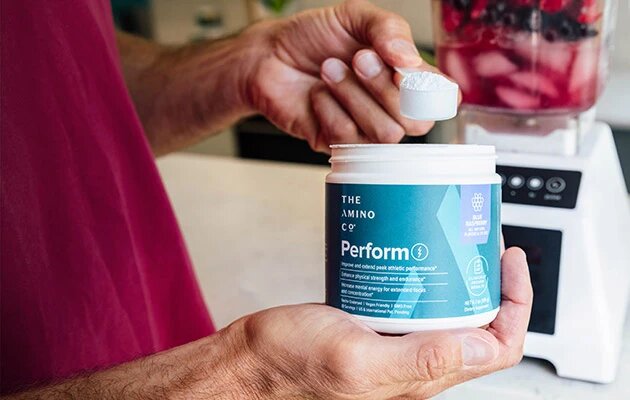
We’ve got the solution to any protein worries you may have about the Okinawa diet. Amino Co essential amino acid powders make it easy to satisfy your body’s protein requirements. Essential amino acids make up the protein that forms your muscles, skin, bones, hair, and pretty much every other tissue and body part. Just 3 scoops a day of our clinically proven and expertly formulated products help prevent the natural decline of muscle and heart function that begins at around age 40.
If it’s a long life you’re after, then amino acids should be part of your healthy living plan. Find out more about how essential amino acids can increase your lifespan here.
Be the first to know about new craveable recipes and tips for living your best life.

Looking to drop some pounds and add some muscles? Amino acids are the key ingredients to muscle-building, metabolism boosting, and weight loss. Find out how to use amino acids to reach your weight and muscle goals.

We all know the importance of diet and exercise for weight loss. There is, unfortunately, no magic weight-loss pill. There are, however, some pretty miraculous organic compounds that prime your body for weight loss and help boost your metabolism. We'll give you one guess what they are!

Even if you have the best intentions and fully commit yourself to your fat-loss goal, it can be quite challenging to achieve meaningful results. In this article, we cut through the noise and share 15 strategies to lose fat. And they've all been validated by reliable research.
Sign up for our newsletter and let us know what you’re interested in, and you’ll also receive a free E-Book.
30 years of research... and still going.

Give us a try today.
If, for any reason, you don’t like us or our products, simply contact our support team within 60 days and we’ll happily refund you 100% of your payment.
It's our way of making sure you're completely happy with your purchase.

