

 833-264-6620




 By: by Amino Science

Did you know that 10-20% of your body's blood supply goes to your brain, delivering much-needed oxygen and critical nutrients? When blood flow to the brain is impaired, the brain stops receiving oxygen and nutrients, brain cells start to die, and a stroke is underway. Strokes can occur close to the surface of the brain or deep within the tissues—the damage depends on the area of the brain that is affected, the type of stroke, and the severity.
Stroke is the fifth leading cause of death in the United States, and it is considered a medical emergency. According to the Centers for Disease Control and Prevention (CDC), about 800,000 people in the United States each year have a stroke, and strokes kill around 140,000 Americans annually. Let's gain a better understanding of this ominous cardiovascular event and what to expect on the road to stroke recovery.
Recognizing the symptoms of a stroke is crucial. Patients who arrive at the emergency room within three hours of manifesting symptoms recover faster than patients whose care was delayed. Use the “FAST” test to determine if you or someone you love is having a stroke.

The cause determines the type of stroke and the part of the brain affected.
An ischemic stroke occurs when the blood vessels in the brain close up or become blocked. Up to 90% of all strokes are ischemic. The most common types are:
According to Harvard Medical School, up to one-fifth of all strokes are lacunar. A lacunar stroke is a type of ischemic stroke resulting from a blockage in tiny arteries deep inside the brain. More than 90% of patients who experienced a lacunar stroke recover within the first 90 days after the stroke.
A transient ischemic attack (TIA), also called a mini-stroke, is similar to an ischemic stroke because it is caused by a clot blocking blood flow to part of the nervous system, but there is no permanent brain damage. Symptoms are similar to those of an ischemic stroke (weakness on one side of the body and slurred speech) but they usually last less than 5 minutes. It might be difficult to tell if you are having a stroke or a TIA based on symptoms, so always seek immediate medical attention.
A hemorrhagic stroke occurs when a blood vessel leaks blood into the brain. Hemorrhagic strokes are rarer than ischemic strokes, but they account for between 30% and 60% of all stroke-related deaths. The most common types of hemorrhagic stroke are:
Many factors can increase stroke risk. Lifestyle risk factors include being overweight, physical inactivity, and addiction to alcohol and drugs. Medical risk factors include blood pressure higher than 120/80 millimeters of mercury, smoking, high cholesterol, diabetes, sleep apnea, heart disease, and family history.
Keep in mind that smoke, secondhand smoke, and heavy alcohol consumption raise the risk of stroke. Certain street drugs, such as cocaine and methamphetamines, are also risk factors for a TIA or a stroke.
Adopting a healthy lifestyle is one of the best steps you can take to prevent a stroke.
For a full recovery and to accelerate recovery time, follow these tips:
Can amino acid supplements help during stroke rehabilitation? The latest research shows promising results regarding the effects of amino acids on stroke patients during exercise and recovery.
One study showed that 30 days of oral supplementation with an optimally formulated mixture of amino acids alongside conventional therapy improved exercise capacity in 95 elderly people with chronic heart failure. The patients were randomly assigned to 4 grams of amino acids taken twice daily or a placebo. Results showed that exercise capacity in the amino acid group improved compared to the placebo group—oral amino acid supplementation, in conjunction with pharmacologic therapy, enhanced circulatory function, muscle oxygen consumption, and aerobic production of energy.
Another study examined amino acid and protein metabolism during exercise and recovery and found that amino acids restore glycogen, a substance deposited in bodily tissues as a store of carbohydrates, which are used as fuel during exercise.
Taking a balanced amino acid supplement can also stimulate muscle protein synthesis. During recovery patients often stay in bed, and go through periods of physical inactivity. Studies show that essential amino acids reduce the loss of muscle protein mass and physical strength.
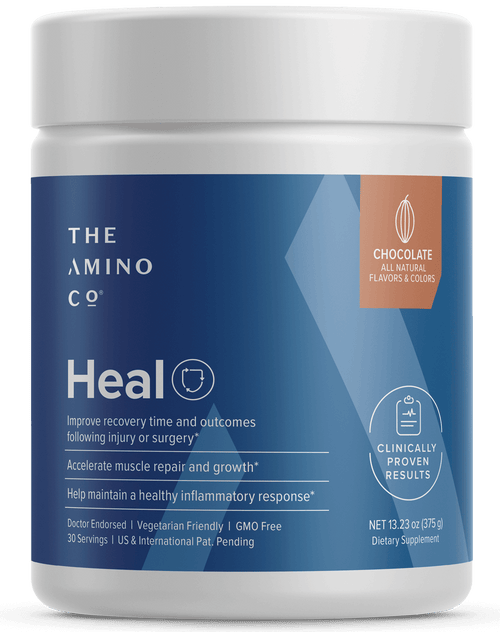
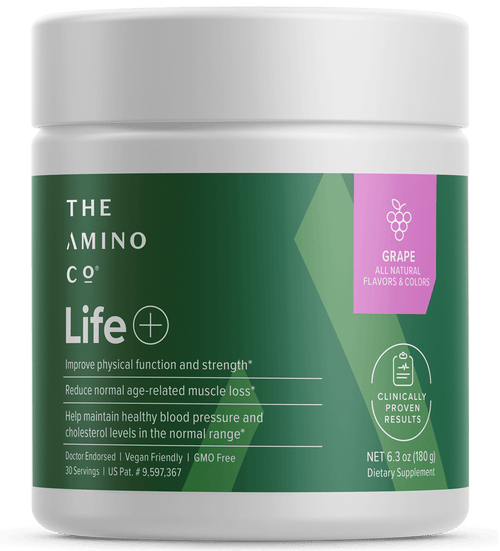
The Amino Company has developed two formulas that can be used to help treat and prevent stroke. For prevention there's Life, an active aging blend of essential amino acids designed to help strengthen heart health as we grow older. You can learn more and purchase Life here. For recovery there's Heal, a blend of amino acids proven to help accelerate recovery and improve rehabilitation outcomes. Find Heal here.
For more information on stroke risks, causes, and prevention, as well as resources for coping with life after a stroke, visit the National Stroke Association/American Stroke Association website.

Be the first to know about new craveable recipes and tips for living your best life.
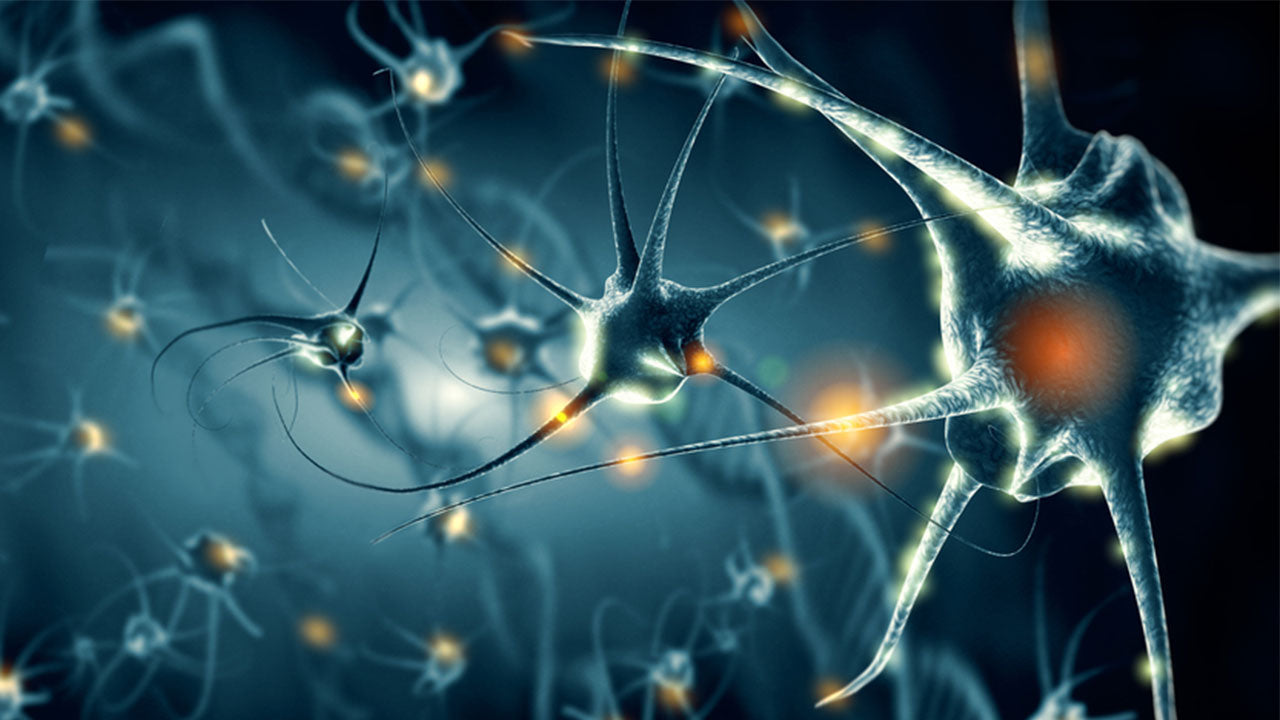
Have you suffered a nerve injury? Are you dealing with the symptoms of nerve damage? While nerve regeneration may seem like fantasy, the science suggests that we really do have the ability to heal injured nerves.
Let's take a look at the different types of bariatric surgery available, the benefits and risks of these procedures, and how amino acids can help you maintain the nutrition so important to your health both during recovery and long after this weight-loss procedure is over.
Sign up for our newsletter and let us know what you’re interested in, and you’ll also receive a free E-Book.
30 years of research... and still going.

Give us a try today.
If, for any reason, you don’t like us or our products, simply contact our support team within 60 days and we’ll happily refund you 100% of your payment.
It's our way of making sure you're completely happy with your purchase.

