

 833-264-6620




 By: by Amino Science
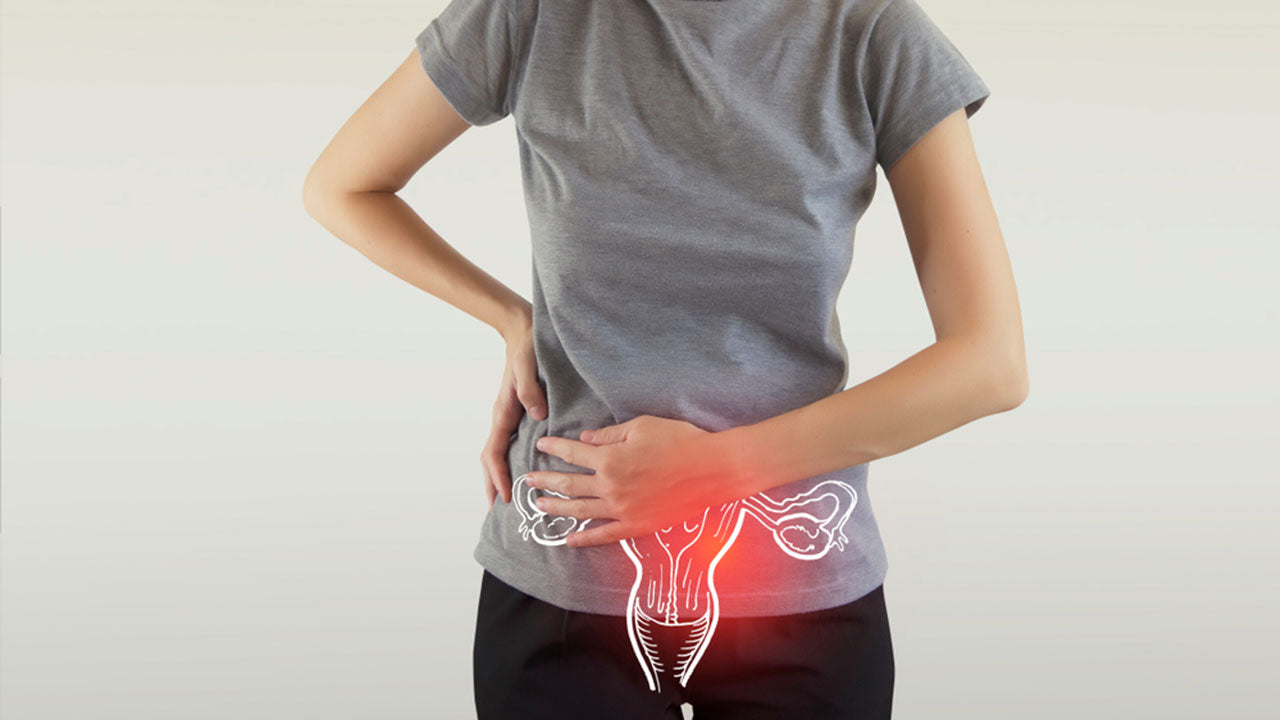
A hysterectomy is a major surgical procedure that requires a significant recovery period. However, regardless of the type of hysterectomy you have, there are steps you can take to ensure the smoothest recovery possible. In this article, we're taking a look at seven hysterectomy recovery tips that can help you heal faster and get back to your normal routine again.
There are a number of reasons why a hysterectomy may become necessary, but the most common reason is uterine fibroids.
While up to 80% of women will have at least some fibroids by the time they reach age 50, many will never experience symptoms. Of those who do, only a small fraction have symptoms—especially pain and heavy vaginal bleeding—bothersome enough to warrant a hysterectomy.
Other medical issues that may lead to a hysterectomy include:
Most people think of a hysterectomy as the removal of the uterus. And while that's technically true, a woman's diagnosis, symptoms, and personal preference will dictate exactly which organs are removed.
During a total or radical hysterectomy, a bilateral salpingo-oophorectomy, or removal of the ovaries and fallopian tubes, may be performed as well.
In addition to the various types of hysterectomies, there are different ways the procedure itself may be performed.

A hysterectomy is a very common type of surgery and is generally considered quite safe. However, as with all procedures, complications may occur. These include:
Many women who undergo a hysterectomy experience symptoms of menopause afterward. Unfortunately, this is true even if the ovaries are left intact.
Why?
The ovaries receive part of their blood supply via the uterus. When the uterus is removed, their blood supply becomes compromised, and there's a risk the ovaries could fail within 5 years.
Symptoms of menopause include:

Recovery time following a hysterectomy is affected by many factors, including overall health and the type of approach used for the surgery.
While women who undergo a vaginal hysterectomy may be back to their normal activities in as little as 2 weeks, women who have a laparoscopic or abdominal hysterectomy may be looking at a recovery period that lasts 2 to 4 times as long.
But regardless of the type of hysterectomy, there are steps every woman can take to limit the side effects of surgery and speed up recovery time.
One of the most important things you can do after any surgery is rest. Proper sleep is especially important because the body uses the time you're not awake to repair and restore itself to healthy function. It's also the time when hormones are balanced and the immune system gets a boost. So, after a hysterectomy, be sure to get plenty of sleep. It will help you heal faster, protect you from infection, assist you in coping better with hormonal fluctuations, and even lift your mood.
With any surgery comes the added risk of constipation. Changes in food and fluid intake, decreased physical activity, and side effects from both anesthesia and narcotic pain medications all play a part.
While minor bouts of constipation are generally nothing more than a nuisance, severe constipation after surgery can lead to excessive straining, which may damage incisions.
But postoperative constipation can be reduced or even avoided by following a few simple steps.
Like rest, your body needs plenty of nutrient-rich whole foods to support the processes that keep your tissues and organs functioning normally. So try to limit your intake of processed foods and instead focus on eating a diet that emphasizes lean protein, fruits, vegetables, healthy fats, and whole grains.
While whole foods are rich in vitamins, minerals, and phytonutrients, they're also a source of protein-building amino acids. These building blocks of life are needed by the body for almost every biological process.
It should come as no surprise, then, that providing the body with an ample supply of amino acids can actually shorten the time it takes to recover from surgery. However, as with most things, balance is key.
So if you decide to supplement with amino acids after a hysterectomy, be sure to look for a formula that offers a balanced ratio of all nine essential amino acids.
If you had a penchant for tight-fitting clothing prior to undergoing a laparoscopic or abdominal hysterectomy, you need to think about putting that particular love on hold for a while.
Although it may seem obvious, to ensure your incisions heal properly, you need to keep the pressure off and allow air to circulate. So instead of tight jeans and skirts, opt for comfy, loose-fitting clothes.
If you have a laparoscopic or abdominal hysterectomy, your health care provider will discuss how to properly care for your wounds following surgery, so be sure to follow their instructions closely. And don't hesitate to contact them if you notice increased pain, redness, swelling, or discharge around any of your incisions.
For many women, having a hysterectomy is more than just your average surgery. While it's the second most common surgery in women after cesarean section, the hormonal changes that come with a hysterectomy that includes removal of the ovaries can be intense.
The circumstances under which a hysterectomy with ovarian removal is performed can also affect a woman's response after surgery.
A woman who undergoes a hysterectomy to stop pain and menstrual periods so heavy they led to an inability to leave the house and anemia may feel such a huge sense of relief after surgery that any symptoms of menopause are negligible.
But a woman who's had her uterus and ovaries removed as a result of cancer may instead feel a profound sense of loss that only amplifies her menopausal symptoms.
While it can be helpful to keep in mind that any menopausal symptoms you're going through will fade in time—and that you'll soon adjust to life after menstrual cycles—if you're experiencing symptoms of depression or other difficulties that seem to be getting worse instead of better, don't hesitate to speak with your health care provider.

Be the first to know about new craveable recipes and tips for living your best life.
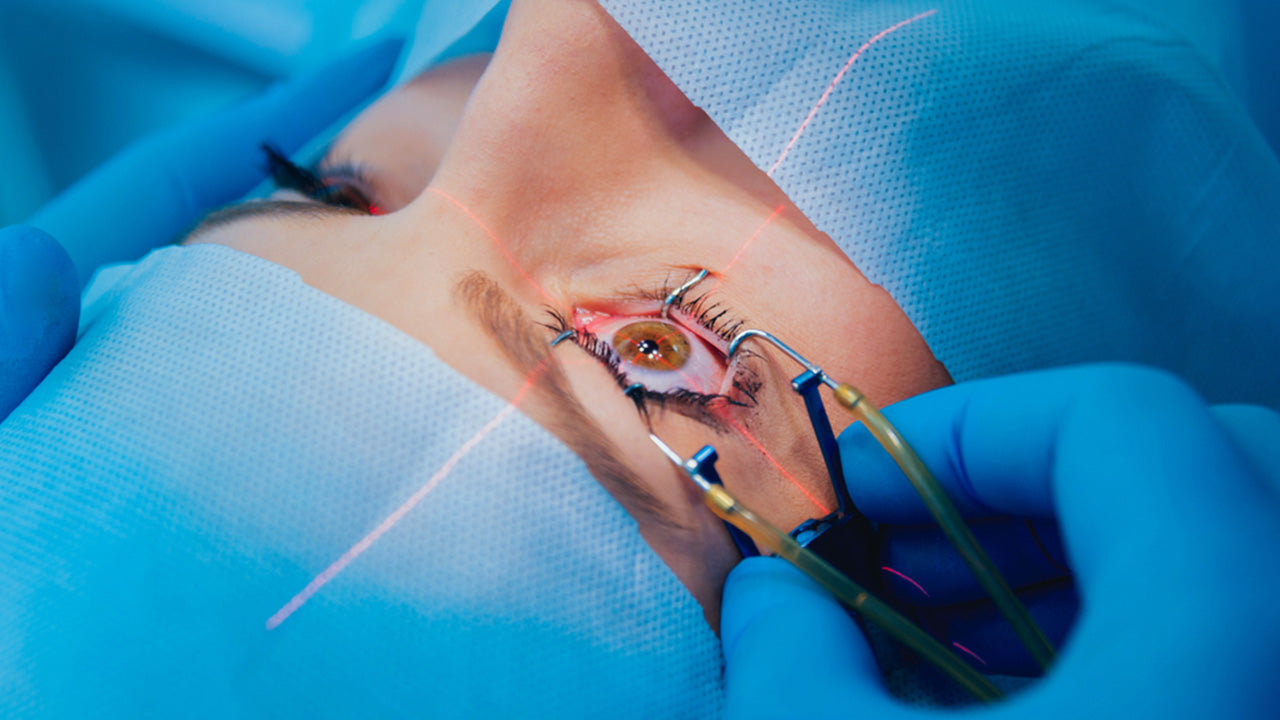
If you’re in the market for better vision, photorefractive keratectomy (PRK) surgery may be on the docket. Learn all about PRK surgery for vision correction, how it differs from LASIK, what to expect, and the PRK recovery timeline.
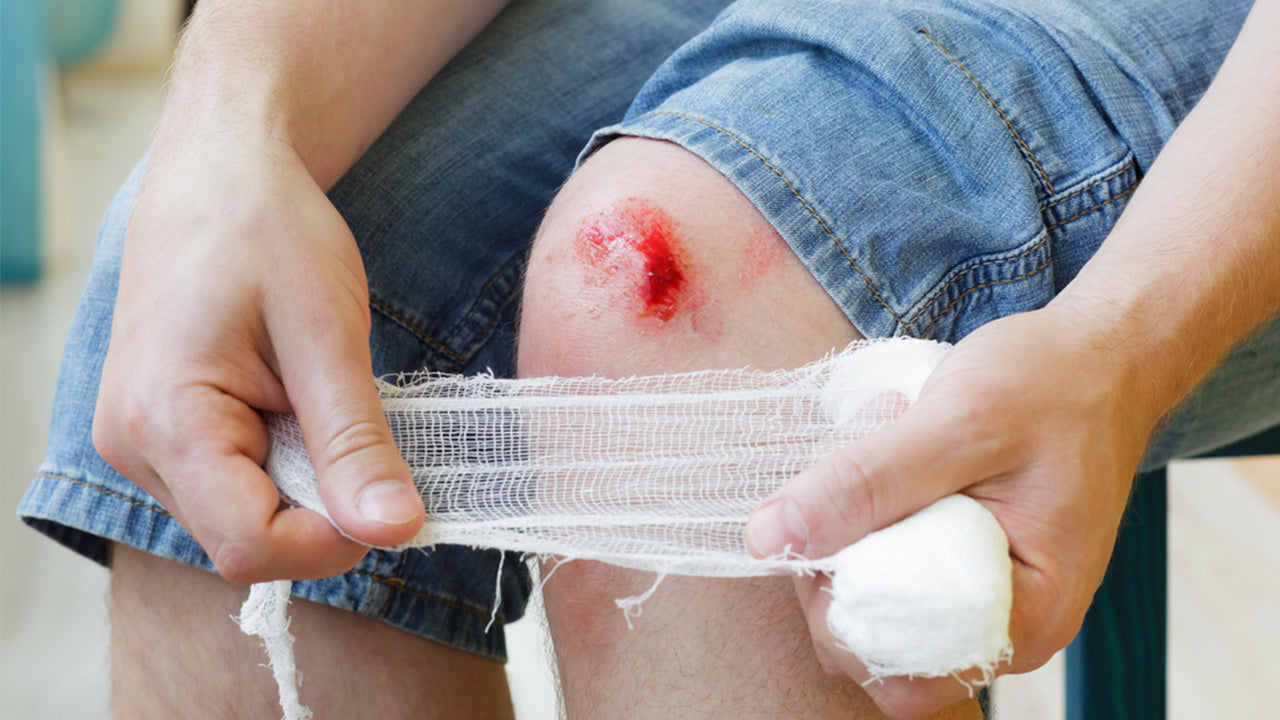
The wound healing process, much like our physical activity levels, tends to decline as we age. Here are some scientifically backed tips on the best ways to speed up healing, from minor cuts and scrapes around the home, to post-surgical recovery and muscle tissue rebuilding.
Sign up for our newsletter and let us know what you’re interested in, and you’ll also receive a free E-Book.
30 years of research... and still going.

Give us a try today.
If, for any reason, you don’t like us or our products, simply contact our support team within 60 days and we’ll happily refund you 100% of your payment.
It's our way of making sure you're completely happy with your purchase.

