

 833-264-6620





 By: by Amino Science
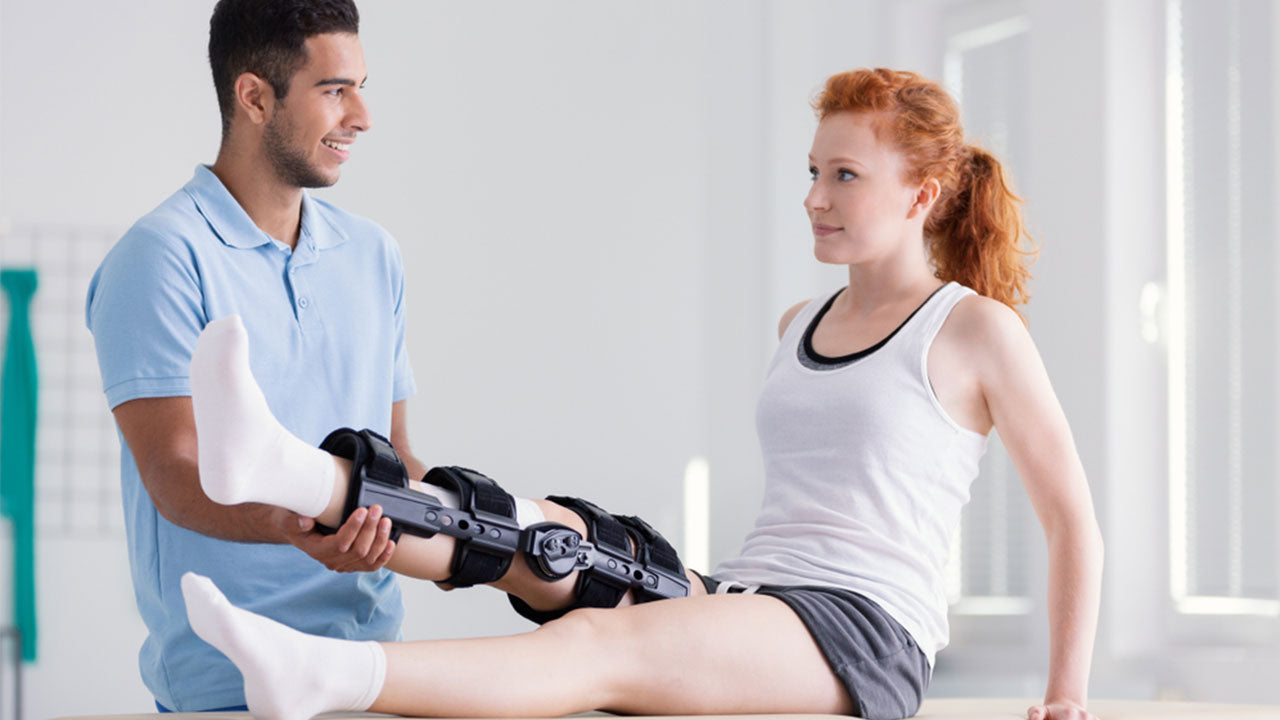
Your medial collateral ligament (MCL) is one of four major ligaments that hold your knee joint together. An MCL tear can sometimes be so severe that it requires surgery to repair or replace. If you or a loved one has recently suffered an MCL injury, you're probably looking for answers. This article reviews the probable causes of MCL tears, what happens during a repair procedure, and what you can do to help accelerate MCL surgery recovery.
The medial collateral ligament is one of the four stabilizing ligaments in the knee. Ligaments connect bone to bone (whereas tendons connect bone to muscle), and an injury to any one of them can compromise your range of motion, not to mention your quality of life. The knee's tendons include the following.
These ligaments each help stabilize the complicated, weight-bearing joint that is the knee, and a tear to any one of them can cause pain and disability.
MCL sprains and tears are ligament injuries that are often caused by direct blows to the knee. Because it's located on the inner side of the knee and leg, the MCL is otherwise protected. (If you touch your knees together, your MCLs are side by side.) It's a safer position than that of the LCL, which is on the outer side of the knee, but each of these ligaments are vulnerable during contact sports like football or hockey, where impact with another player can force the knee out of alignment, straining or tearing the ligaments that hold your leg bones together.
MCL injuries are graded based on their severity.
You may know an MCL injury by the following symptoms.
A doctor may perform a physical examination or order X-rays or MRI scans to confirm the injury, assess its severity, and rule out other causes of knee pain such as bone injury.
Treatment options for knee injuries are determined on a case-by-case basis and through consultation with your doctor, but common non-surgical treatments include:
Surgery may be necessary in extreme cases.
Luckily MCL tears rarely require surgery, but sometimes the ligament is so thoroughly torn that it is not in a position to heal itself. If your doctor recommends surgery, the procedure will mostly likely be eligible for a minimally invasive arthroscopic repair (using a tiny camera inserted through a small incision), allowing for faster recovery times.
Refastening the MCL to the bone may involve stitches, bone staples, metal screws, or a suture anchor depending on the position of your tear and the health of the tissue at the time of surgery. A mid-ligament tear on the other hand may simply be stitched together by your surgeon.

While ACL reconstruction is one of the most involved procedures in sports medicine, requiring the harvesting of tendons from other areas in the leg (like the hamstrings or quadriceps) and reattaching them inside of the knee, MCL procedures can heal in a matter of weeks or even days. Here are five basic tips to help accelerate MCL surgery recovery time.
While it's true that no one knows your body or your pain thresholds as well as you do, your doctor nevertheless has the wisdom collected from years of experience and can help you avoid complications like infection or poor healing. This tip includes obvious steps like attending all follow-up appointments (or rescheduling them if you can't make it that day), and taking all medications—including pain meds—as directed and to completion.
This is because pain meds are another form of crutch prescribed to help you heal faster: the less pain you feel as you get active again or while you attend physical therapy rehab, the more likely you are to regain your full range of motion.
Don't use an ice pack and a heating pad at the same time of course, but icing your knee after surgery can help reduce swelling and pain, while heat therapy can ease stiffness, relax muscles, and increase circulation to the area as you heal. You'll know which therapy feels right when the time comes, but if you want specific medical advice for an optimal recovery, never hesitate to ask your doctor or another qualified health care professional.
Because injury to the inner part of the knee is commonly due to sporting, those recovering from MCL surgeries are often active people. It can drive you nuts to be house-bound after an MCL procedure, but in the long run it is so much better to keep off your knee as much as possible for as long as your doctor recommends.
Think about it: if you're antsy to get back out there now, imagine how infuriating it would be to reinjure your knee due to prematurely returning to vigorous activity, and then to have to endure the recovery process again. Take up knitting if you have to, download some games onto your phone if you must, but be sure to rest as long as recommended by your doctor or physical therapist.
If you're not used to sitting around recovering all day, it might be tempting to nap your way through knee surgery recovery. While naps are not discouraged (and some attribute napping to the success of great thinkers like Thomas Edison, Albert Einstein, and Winston Churchill), getting proper sleep involves going to bed at the same time each night.
Tips for being able to fall asleep on time each night include having a regular pre-sleep routine, and going to bed in a cool, dark, and quiet room.
One of the best ways to speed up recovery is to make sure your body has everything it needs to rebuild, and that mean adequate protein input and, on the cellular level, sufficient amino acid supplies. Evidence has shown that supplementing with amino acids after just about any surgery can help speed recovery times because it gives your body the building blocks required to create new muscle tissue and replace weak or damaged cells with new and better ones.
Ask your doctor if he or she recommends certain foods for a recovery diet, and be sure to stock up on a high-quality amino acid powder for extra MCL recovery support. We recommend Heal, clinically proven to reduce recovery times and improve physical function after surgery and injuries by accelerating muscle repair while helping to maintain a healthy inflammatory response.
Medial collateral ligament injuries thankfully heal very well, and you can help that healing process along with these tips. With a speedy recovery, you'll be back on your feet in no time!
Be the first to know about new craveable recipes and tips for living your best life.

Bed rest causes muscle loss, reduced leg strength, and decreased muscle fiber function. Bed rest also induces a variety of metabolic problems, including insulin resistance and increased fat within muscle cells. Learn how essential amino acids can help prevent muscle loss during bed rest.

The piriformis muscles are located deep within your buttocks and are intertwined with your sciatic nerves. Should these muscles become inflamed or spasmodic, they can cause back, hip, and leg pain as severe as sciatica. Find out which stretches help relieve and prevent piriformis pain.
Sign up for our newsletter and let us know what you’re interested in, and you’ll also receive a free E-Book.
30 years of research... and still going.

Give us a try today.
If, for any reason, you don’t like us or our products, simply contact our support team within 60 days and we’ll happily refund you 100% of your payment.
It's our way of making sure you're completely happy with your purchase.

