

 833-264-6620




 By: by Amino Science
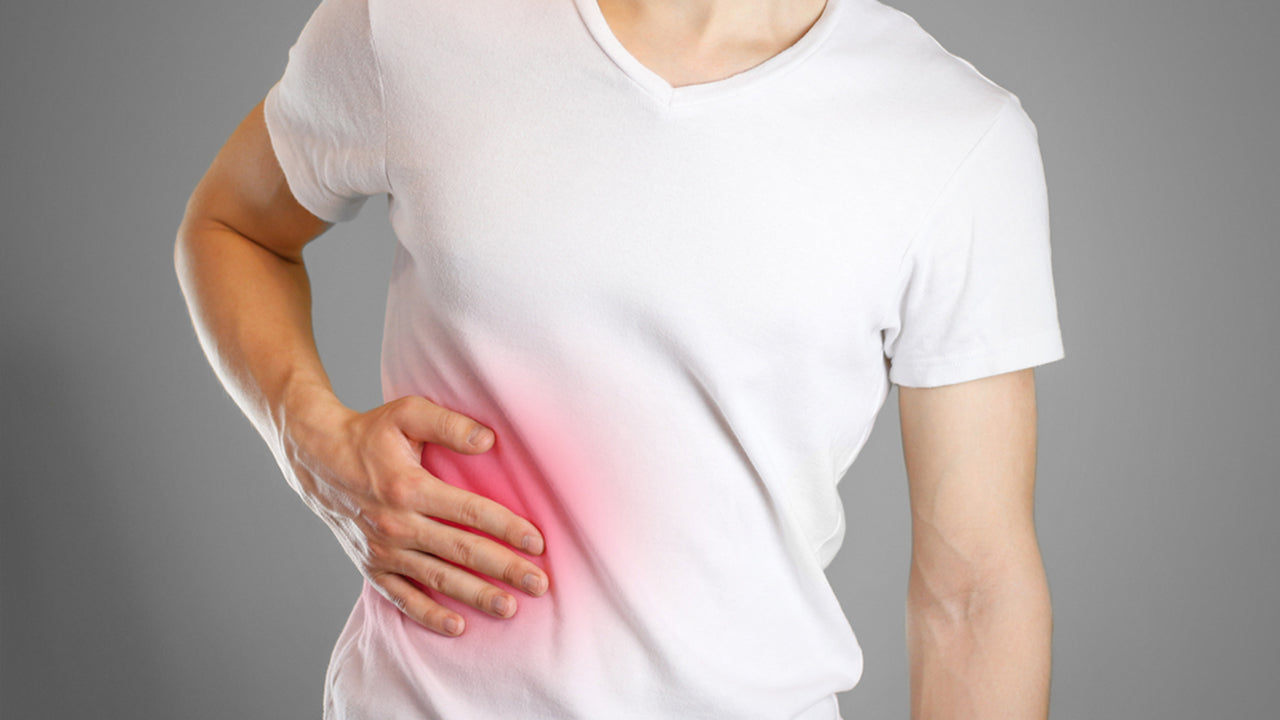
The liver is one of the most unique organs in our bodies, with an ability to heal in a way that other vital organs cannot. Damage done to the heart, for example, is damage that cannot be undone by your body or by medical technology; it can only be worked around. Likewise with the kidneys: ground lost in kidney functioning is ground that is permanently ceded. However, some people do require liver transplants, indicating that as much as the liver can recover from damage, it can't completely regenerate after a certain point. Where is the line between reversible damage and irreversible damage? Can you reverse liver cirrhosis naturally, without medications or a transplant? This article explores that question.

Your liver is the largest organ inside your body (your skin itself is the largest organ overall, but it's on the outside). The liver's function is to help digest your food, store energy substances, and detoxify your blood of any impurities, poisons, or toxins that are eaten or otherwise ingested.
You can aid a healthy liver in its detox duties by consuming a liver flush diet. But what can you do to help an already ailing liver? First, it's important to understand what cirrhosis is and where it falls on the liver damage continuum. What follows are the stages of liver failure.
As you can see, cirrhosis is the last stop before potential end-of-life hospitalization. When scarring of the liver becomes so extensive that it eclipses healthy liver tissue and starts to interrupt blood flow, detoxification, and digestion, medical advice and treatment is an emergency necessity, but can cirrhosis be fixed?
The National Institute of Diabetes and Digestive and Kidney Diseases says that the most common underlying causes of liver scarring and cirrhosis are conditions like chronic hepatitis, long-term alcohol abuse, and cases of diet-induced nonalcoholic fatty liver disease. Some of those conditions can be treated or avoided entirely by getting vaccinated, making diet and lifestyle changes, practicing safe sex, and drinking alcohol in moderation, but if the damage is not stopped in time, liver failure and liver cancer may develop, which could end a person's life.
It's important to recognize the symptoms of cirrhosis and liver disease as soon as possible. Those symptoms include:
Regardless of how it comes about (hepatitis B, hepatitis C, alcohol abuse, fatty diet, or genetics), cirrhosis affects up to 10% of the population of the United States, according to the American Liver Foundation. The complications of cirrhosis quickly shorten the lifespan of those diagnosed with this disease. Complications include:
Unfortunately cirrhosis isn't curable, but it is treatable. Once you're aware of the damage being done to the liver, the first priority is to treat and if possible cure the underlying cause, and then to stop the progression of cirrhosis and prevent deadly complications. For alcoholics that means sobriety is key. For those with hepatitis, disease management is the first priority. For those whose liver biopsy shows too much damage to overcome, a liver transplantation may be the only option, but for some, there are natural ways to help your liver cope with cirrhosis.

As with scar tissue anywhere on or in your body, while you can't reverse the damage, you may be able to minimize its impact on your life and live around it. What follows now are natural ways to cleanse your liver, support its health and functioning, and strengthen your body so you have the resources to cope with any complications that may arise.
Your liver detoxifies your body, so you can't exactly detoxify it. What you can do, however, is to avoid poisoning it and provide it with the nutrients it needs to detox itself. That means avoiding alcohol intake entirely, only consuming medicine when you absolutely need to (avoid over-the-counter medications for mild aches and pains if possible), and eating a robust diet of nutrient-rich foods such as:
Avoid overeating and abstain from unhealthy food substances like refined sugars and carbs, spicy and fried foods, alcohol, and caffeine. If you smoke, now is the time to quit to help preserve your liver function and quality of life.
Obesity and fatty diet are huge contributors to liver disease in the Western world, and if those are the underlying causes of nonalcoholic fatty liver disease (NAFLD) and cirrhosis, they need to be addressed immediately.
Even if weight is not directly tied to cirrhosis (let's say your cirrhosis is caused by a hepatitis infection), maintaining a healthy weight is still imperative. Obesity is closely linked to high blood pressure, which causes extra strain on your heart and increases your risk factors for diabetes and your cholesterol levels. By focusing on healthy, sustainable weight loss and eliminating obesity as a risk factor, you improve your liver's health.
The best defense is sometimes a good offense, and when it comes to liver disease and liver failure, that means reducing your exposure to toxins (household or industrial chemicals that can damage your liver cells), as well as to diseases like hepatitis (if you're not already vaccinated, make it a top priority), and checking your medications for anything expired or unnecessary (ask your doctor about any prescriptions or take gentler alternatives to common over-the-counter drugs). By preventing toxins of any kind from reaching your liver, you preserve its remaining healthy tissue.
Taking just 13 grams of essential amino acids twice a day for a month has been shown to lower liver fat levels in people with mild to moderate alcohol use disorder (1). Supplementing with essential amino acids can also help prevent NAFLD, even when fructose intake is high, which makes for a worthwhile nutritional intervention (2).
Studies also show that taking a daily oral essential amino acid supplement has been proven to help lower total cholesterol and VLDL cholesterol levels in the blood, as well as reducing triglyceride levels in both the blood and liver. Such an effect significantly protects against heart disease and fatty liver disease, and can likely help reverse a cirrhosis diagnosis.
The Amino Company specializes in essential amino acid supplements for liver disease. Find out more about our liver supplements here.
Cirrhosis cannot be reversed, as it's the last stage of liver disease before hospitalization is required. However, the preceding stage, liver fibrosis (when scar tissue is still being accumulated), can be stopped before the damage becomes permanently debilitating. You can't be too careful when it comes to the symptoms of liver damage: the sooner you catch it, the better diagnosis you'll receive and the longer you'll be able to live healthily.
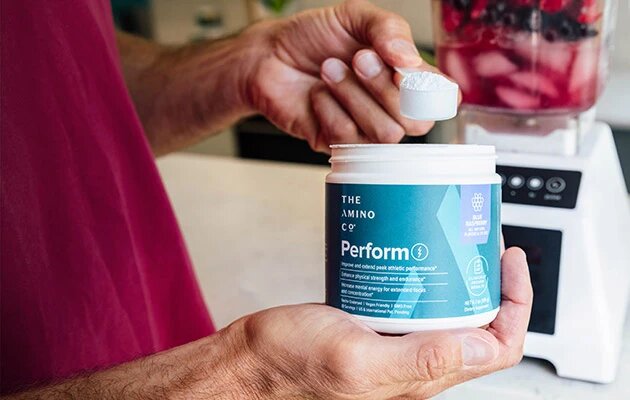
Be the first to know about new craveable recipes and tips for living your best life.
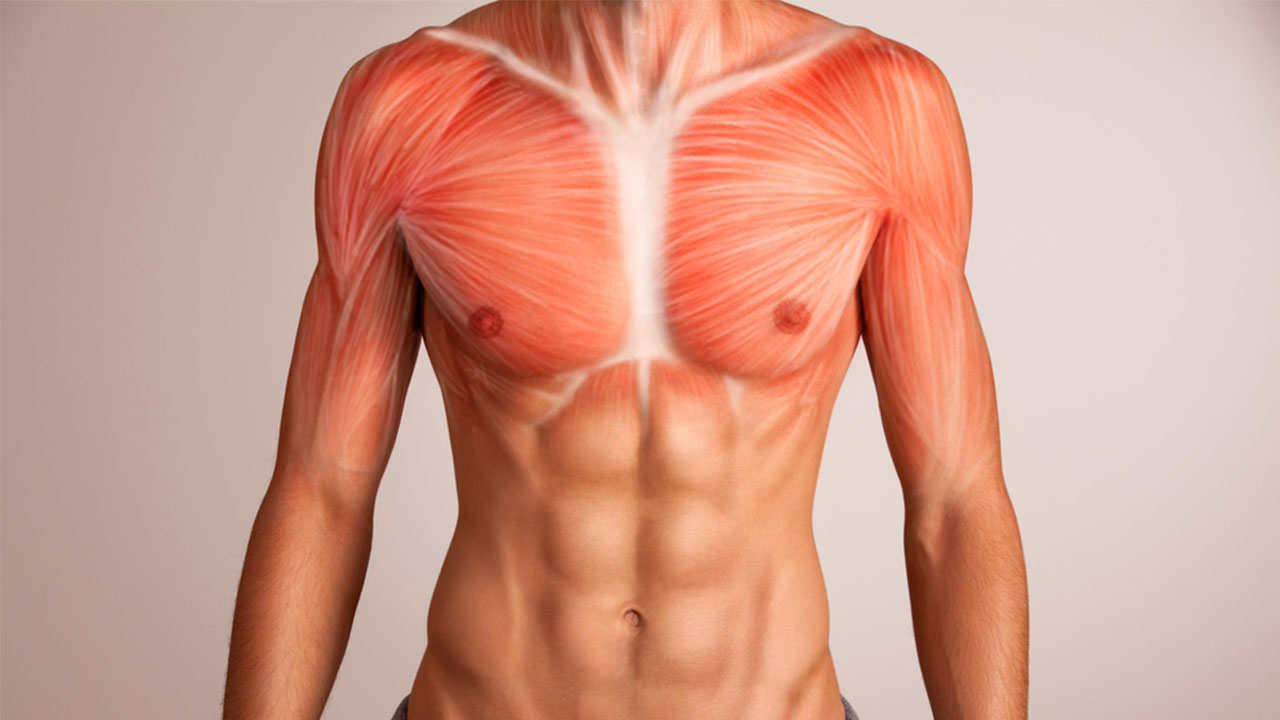
What causes a pectoral muscle tear, how can you avoid it, and, if you're currently suffering from one, what can you expect in the way of torn pectoral muscle recovery time? Read on for the answers.
Amino acids and muscle recovery go hand in hand. You need all 20 amino acids that make up the proteins in your body for optimal muscle recovery. Without amino acid support, your body eats away at its own muscle tissue for energy. We've got the scoop.
Sign up for our newsletter and let us know what you’re interested in, and you’ll also receive a free E-Book.
30 years of research... and still going.

Give us a try today.
If, for any reason, you don’t like us or our products, simply contact our support team within 60 days and we’ll happily refund you 100% of your payment.
It's our way of making sure you're completely happy with your purchase.

