

 833-264-6620





 By: by Amino Science

If you have a body mass index (BMI) of 40 or more and have not had success with diet and exercise interventions for weight loss, then you may be wondering, “Do I qualify for weight-loss surgery?” The information in this article will give you a clear picture of your candidacy.
In order to qualify for weight-loss surgery you must either:
You also must weigh less than 450 pounds, which is the maximum weight that radiology equipment can handle.
That’s just to get into the evaluation door. From there, the screening process for bariatric surgery, the umbrella term for the different types of weight-loss procedures, includes many different physical and psychological assessments, including determining the likelihood of sticking to the prescribed dietary and lifestyle adjustments necessary for weight management.
A doctor, dietitian, psychologist, and surgeon will all weigh in to see if the health benefits of weight-loss surgery outweigh the potentially serious risks. Your health care team will examine your:
Age is also a consideration for weight-loss surgery. Until recently older adults and teens did not qualify for bariatric surgery. Recent research, however, has determined that weight-loss surgery is safe and effective for people over age 60 and for teenagers who have gone through puberty and have a BMI of 35 or more alongside severe obesity-related comorbidities.
Before proceeding with bariatric surgery, check to make sure it’s covered under your health insurance. Many insurance companies require that patients follow a medically prescribed diet and exercise program for 3 to 6 months before authorizing bariatric surgery.
Once you get the thumbs-up as a candidate for weight-loss surgery, you’ll enter a lengthy pre- and post-surgery process.
Bariatric surgery, whether it's gastric bypass or gastric sleeve, involves altering your stomach and digestive system so that you cannot eat as much food or absorb as many nutrients. Depending on the type of weight-loss surgery, it’s an intensive and sometimes irreversible procedure, and the risk for complications and side effects can be great.
The most common types of bariatric surgery are:
The type of weight-loss surgery performed is at the discretion of your surgeon, but according to the latest figures (2018) from the American Society for Metabolic and Bariatric Surgery (ASMBS) the sleeve gastrectomy is the most common weight-loss procedure in the United States, followed by gastric bypass, and adjustable gastric band (lap band surgery).
Two to four months before your scheduled bariatric procedure, your health care team will likely give you instructions that include quitting smoking (if you do), restricting what you eat and drink, participating in lifestyle and nutrition counseling, and engaging in an exercise program. If these instructions are not followed, you gain weight, or you are deemed not mentally or medically fit for bariatric surgery during your waiting period, then your surgery can be canceled or delayed.
Bariatric surgery is performed under general anesthesia, so you will be unconscious. Although not everyone is a candidate for laparoscopic surgery, it is the most commonly performed.
Your bariatric surgeon will insert a small, tubular instrument with an attached camera into small incisions in your abdomen that allows the surgeon to operate without having to make a large incision.
Surgery will last approximately 1-3 hours, and patients are monitored in the hospital for a few days to make sure there are no complications.
You won’t be able to eat for a couple of days as your stomach and digestive system heal. Liquids will be introduced, followed by soft foods, and eventually regular foods after a few weeks. It takes anywhere from 3-6 weeks before you can resume normal activities.
As for the long-term benefits, you can expect to lose a ton of weight and see improvement in your quality of life and in your obesity-related health conditions, such as a reduction in high blood pressure and diabetes symptoms and an improvement in joint pain.
Short- and long-term success from bariatric surgery depends on you making the necessary dietary, exercise, and lifestyle adjustments. Healing can be accelerated with nutrition and exercise. The following tips can help reduce the likelihood of revision surgery later on.
It is critical to supplement with a protein source after bariatric surgery. That’s because weight-loss surgery significantly reduces lean body mass.
After surgery, it’s more difficult to digest dietary protein, which is the type of protein we get from whole foods such as meat. It’s especially difficult for bariatric surgery patients to get enough protein from their diet, as there are restrictions on what foods they are able to eat after surgery. Weight-loss surgery can also lead to anabolic resistance, which impairs the muscles' response to protein synthesis.
Extensive research into bariatric nutrition has uncovered a workaround.
Studies suggest that ingesting essential amino acids helps stimulate muscle protein synthesis and maintain muscle after bariatric surgery. Taking an essential amino acid supplement is also a more effective nutritional approach than ingesting intact protein (1).
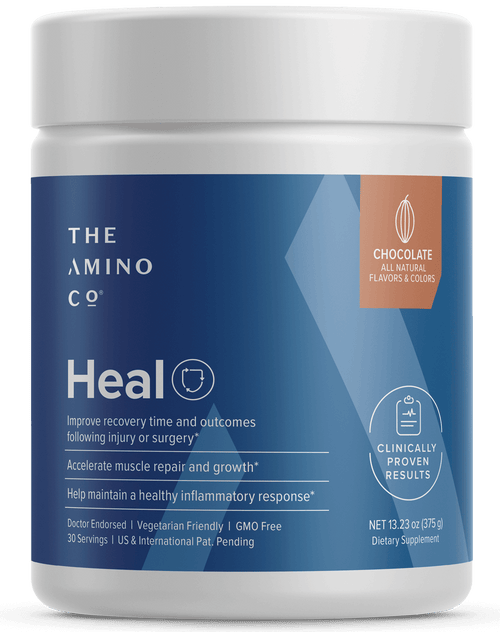
And for the first time ever the precise surgical recovery formula used in these studies is available to the public. The Amino Company’s Heal is a patented essential amino acid blend proven to:
Amino Co scientists are dedicated to developing nutritional interventions for bariatric surgery patients. They were awarded a $1.6 million competitive research grant from the National Institutes of Health and are currently studying Heal’s ability to maintain muscle mass in bariatric surgery patients while targeting the reduction of fat mass.
For more information on how the essential amino acids in Heal can help you preserve muscle mass and have more successful outcomes from bariatric surgery, refer to this article written by Dr. Rober Wolfe, one of the world’s foremost amino acid researchers.
Discover the benefits of Heal here.

The coronavirus pandemic has put a halt to elective procedures, and there’s still some debate as to whether bariatric surgery belongs on that list. The ASMBS issued a statement that bariatric surgery should not be considered an elective surgery during COVID, as it is medically necessary and can reduce the health risks sustained by coronavirus patients from obesity-related illnesses.
Check with your health care provider for the most recent updates and be sure to verify insurance coverage.
Bariatric surgery is not without risk, and long-term weight-loss success demands adherence to lifestyle changes. If you are ready to commit to a new weight-loss program and do not have any limiting psychological or physical conditions, then it may be worthwhile to schedule an appointment with your physician to discuss your options. Less than 1.1% of people who qualify for weight-loss surgeries end up signing up for the procedure. Get the conversation going, and the right weight-loss solution for you is bound to follow.

Be the first to know about new craveable recipes and tips for living your best life.
Sign up for our newsletter and let us know what you’re interested in, and you’ll also receive a free E-Book.
30 years of research... and still going.

Give us a try today.
If, for any reason, you don’t like us or our products, simply contact our support team within 60 days and we’ll happily refund you 100% of your payment.
It's our way of making sure you're completely happy with your purchase.
